
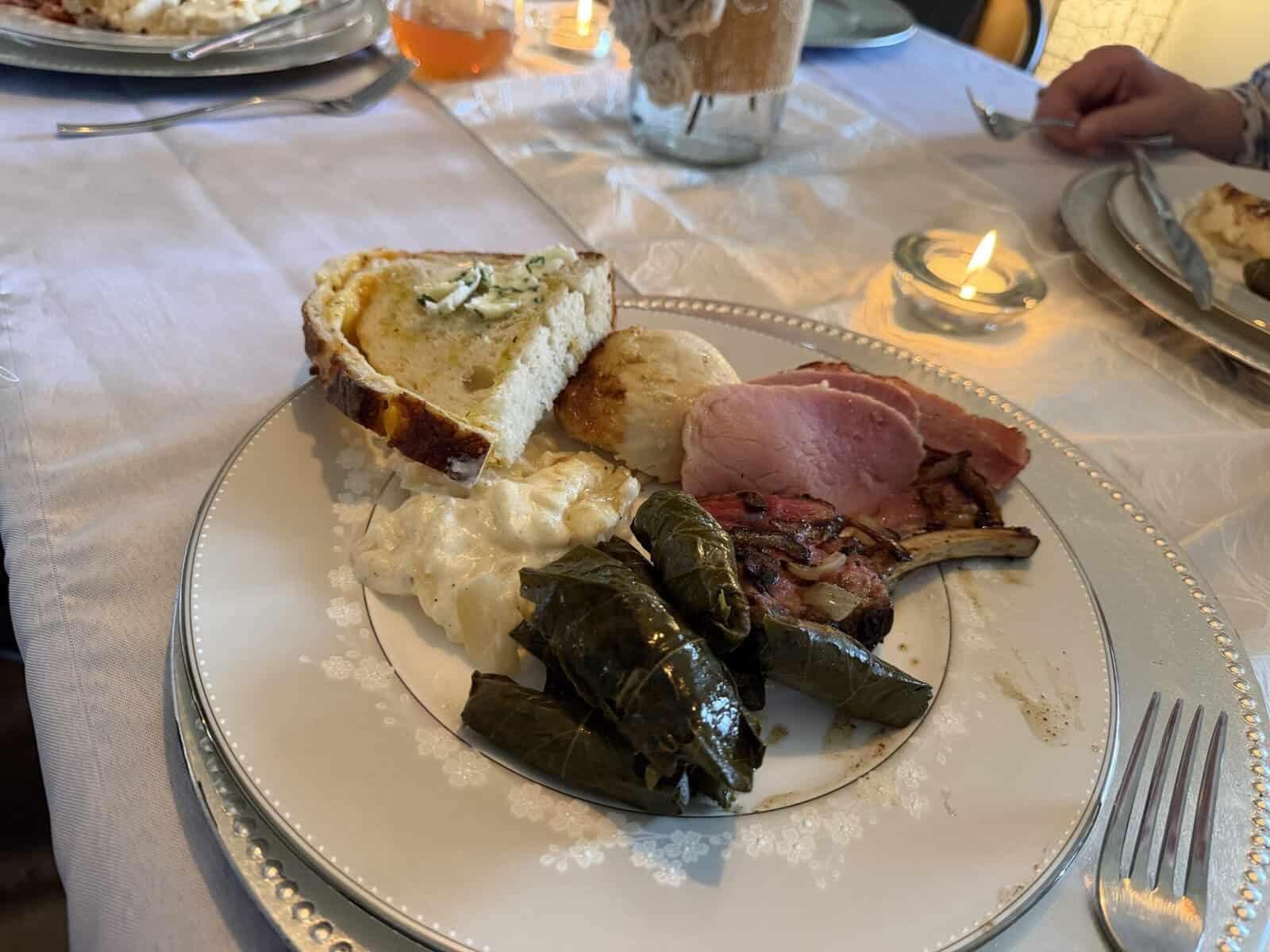

When it comes to Easter meals, most people might not think of food from Middle Eastern nations like Lebanon and Syria as a whole “normal” meal.
Yet, most may be a surprised to think that something like stuffed grape leaves could be one of the original Christian foods. Just peruse my wife’s favorite family cookbook “The Art of Syrian Cookery” by Helen Corey and that opinion will change.
A quick look shows that at least half the recipes are devoted to Lenten foods and dishes dedicated to the Roman Catholic and Eastern Orthodox Church members. That’s when the Biblical “ah ha” moment happens. Every Christian and fan of history remembers that countries like Syria and Lebanon, along with Greece, were the places Jesus, Paul, all the apostles and early believers roamed and launched Christianity.
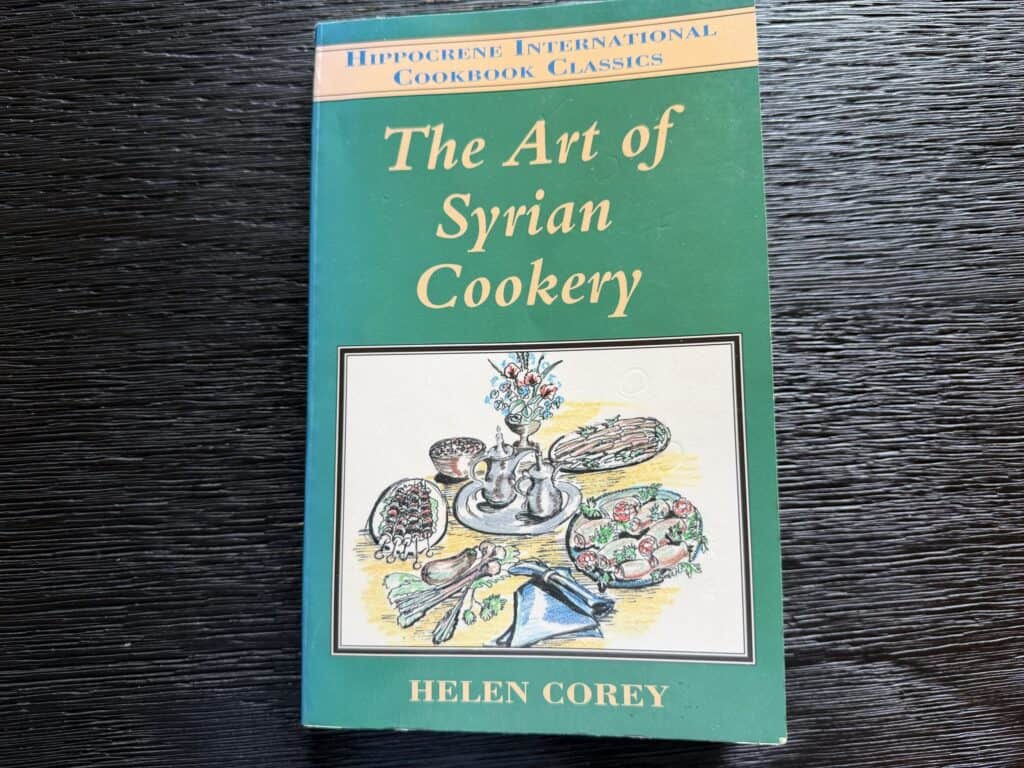
The book’s introduction offered important context, “From the shores of the Mediterranean – land of the Son of God, land of the prophets, patriarchs, and apostles – throughout Syria and Lebanon, the same generous hospitality and open door await the guest.”

So, when you think of traditional Mediterranean and Middle Eastern foods, these are the dishes Christians cooked, possibly for the earliest Christians, long before the Ottoman and Muslim invasions.
But you’re reading this for a recipe and not a history lesson, so let’s get to the food.
Food “like Arabic dancing”
Published in 1962, Corey writes. “Arabic cooking is like Arabic dancing – vivid, exotic, enchanting. Seasoned with herbs and spices, moistened with olive oil and butter, rolled in cabbage and grape leaves, food no longer merely abates hunger but becomes a picture of fragrance and charm to satisfy sight, smell and taste.”
As a guy used to roast and potatoes, this description is perfect for the dinner table when my wife’s family gathers. And, personally I love it.
All that said, while a recipe for stuffed grape leaves (or Warak inib mihshee) is in the gloriously rich cookbook mentioned above, below is our family recipe.
It’s passed down from my wife’s late mother whom we called “Sittie” (Arabic for grandmother). Her full maiden and married name was Michaeline Abdella Prejean. Yes, my best friend and wife is Syrian and Cajun (long story of Ottomans, Ellis Island and South Louisiana for another day).
Again the food!!
Stuffed Grape Leaves
The book recommends using lamb bones or chicken wings or necks during the cooking process. We don’t do that. Our family sticks with ground beef or lamb for the stuffing, and generally less complicated processes. No offense to chicken necks.
The other good news is the Abdella-Prejean recipe is mostly as easy remembering the number one.
- 1 jar of grape leaves
- 1 lb of ground chuck (uncooked)
- 1 cup of rice (uncooked)
- 1 six ounce can of tomato paste
- 1 stick of salted butter (melted)
- 1/2 tsp salt
- 1/4 tsp red pepper
- 1 tsp Allspice
- 2 tsp cinnamon
- 1 cup of lemon juice (or equivalent fresh squeezed lemons)
- 1 cup of water
Mix all ingredients, except the grape leaves and lemon juice, in a large bowl.
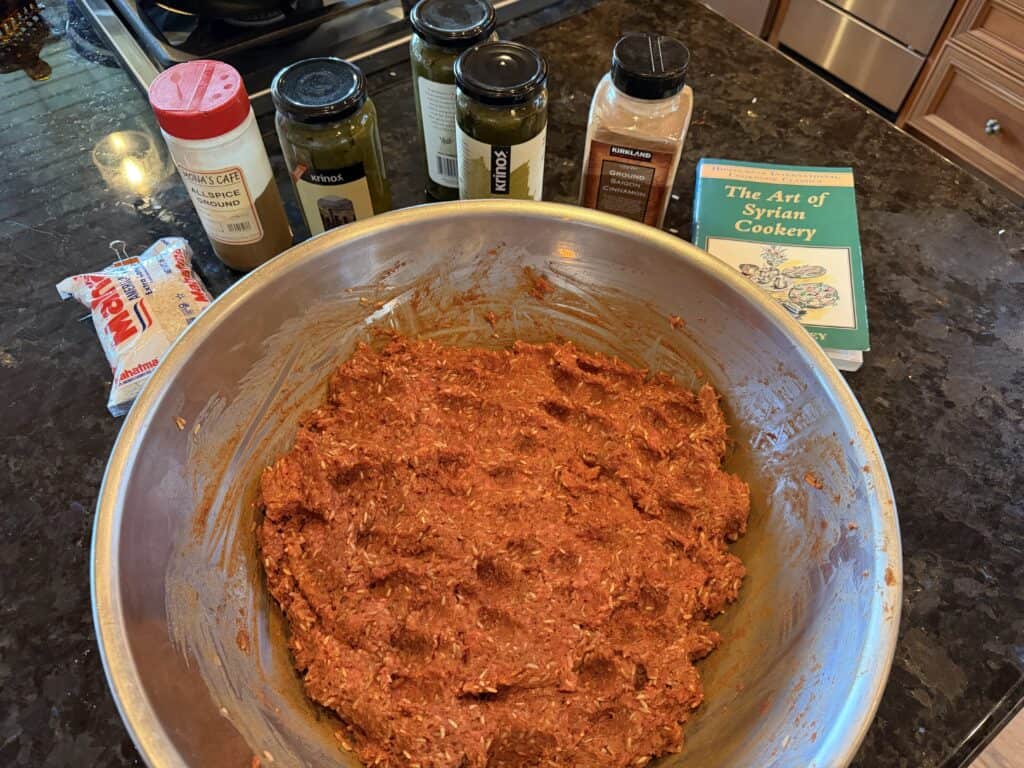
Now that you’ve got the meat ready. Drain the grape leaves of as much brine as you can. Remove them from the jar and carefully unroll them. Place a stack on a plate, shiny side down. Use scissors to cut off the stem.
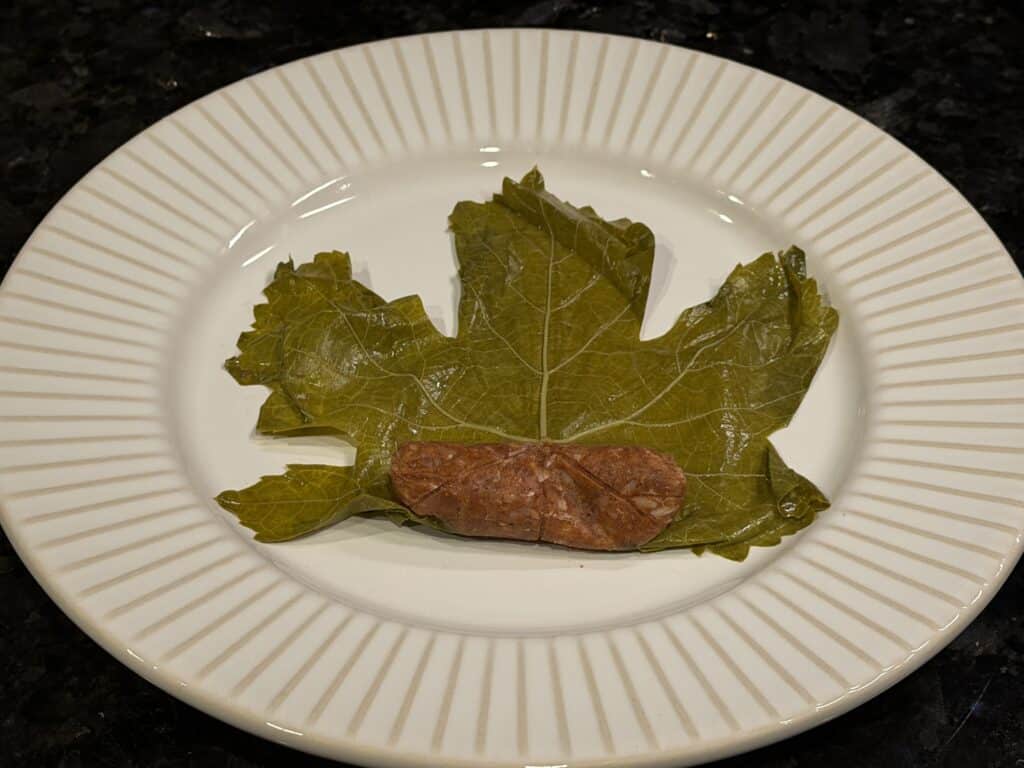
Place a tablespoon (about the size of your thumb) of the meat/rice mixture horizontally across the stem/base of the leaf (below).
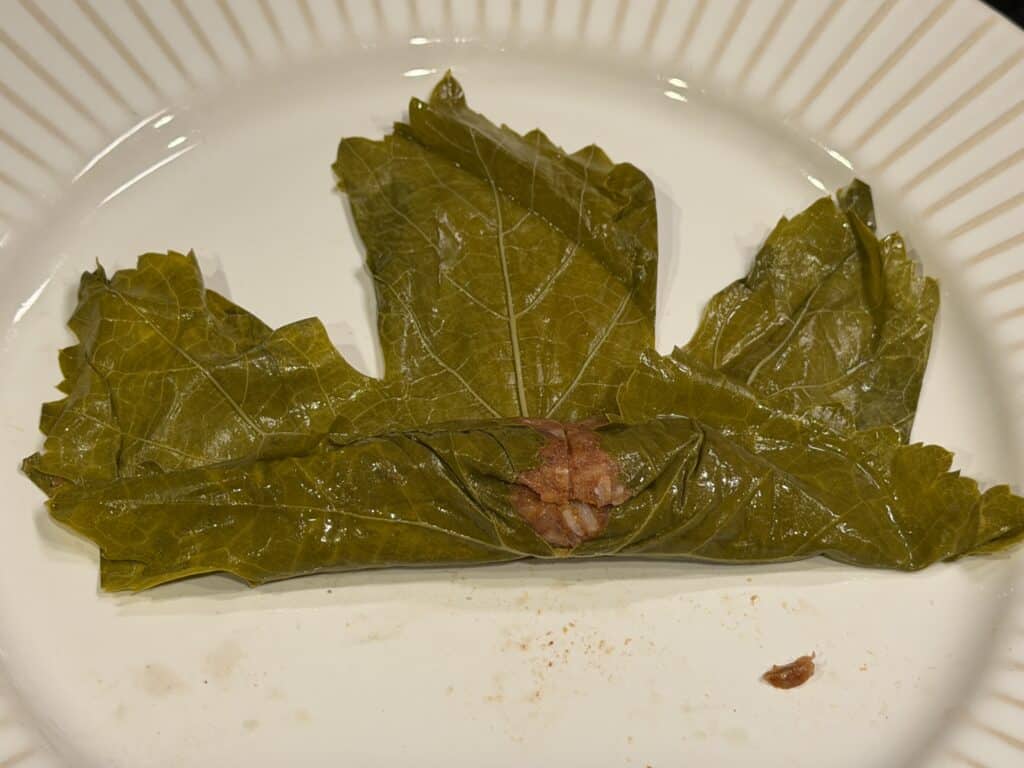
Fold or roll the bottom of the leaf to cover most of the meat mixture once (below).
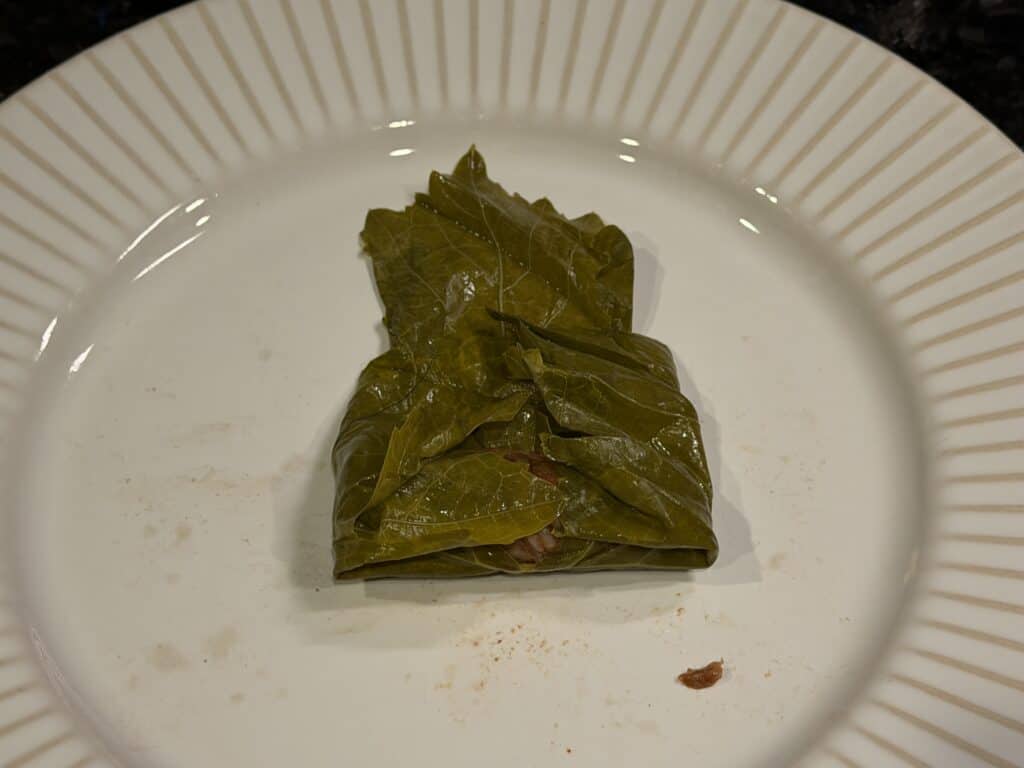
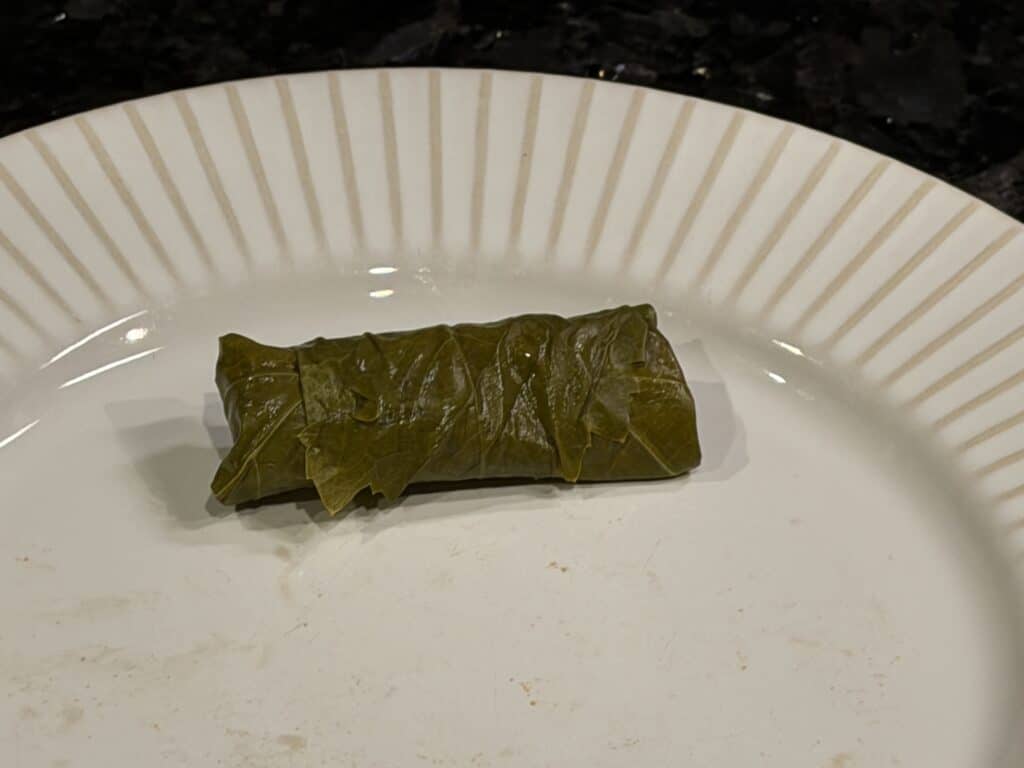
Flip the edges/sides towards the center (like a burrito) and continue rolling until you have a fairly tight product (below).
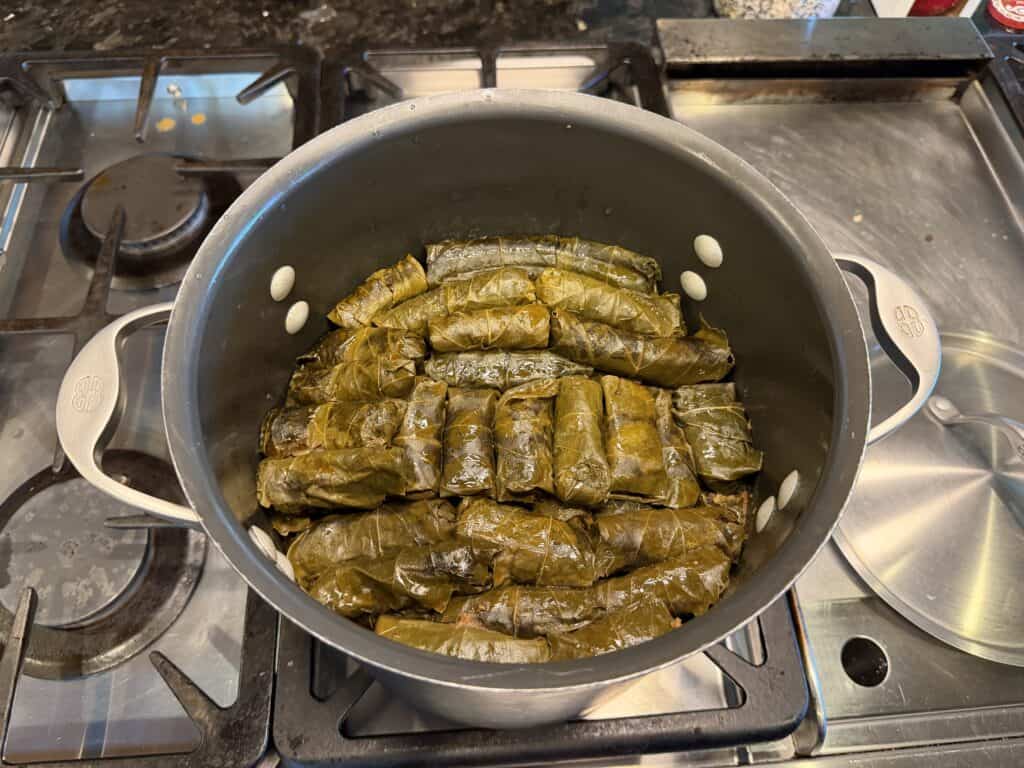
To cook, place all the rolled grape leaves and lemon juice in a medium-size pot. Cover the leaves with a small plate or Pyrex lid that fits inside to keep them from floating when you add the water.
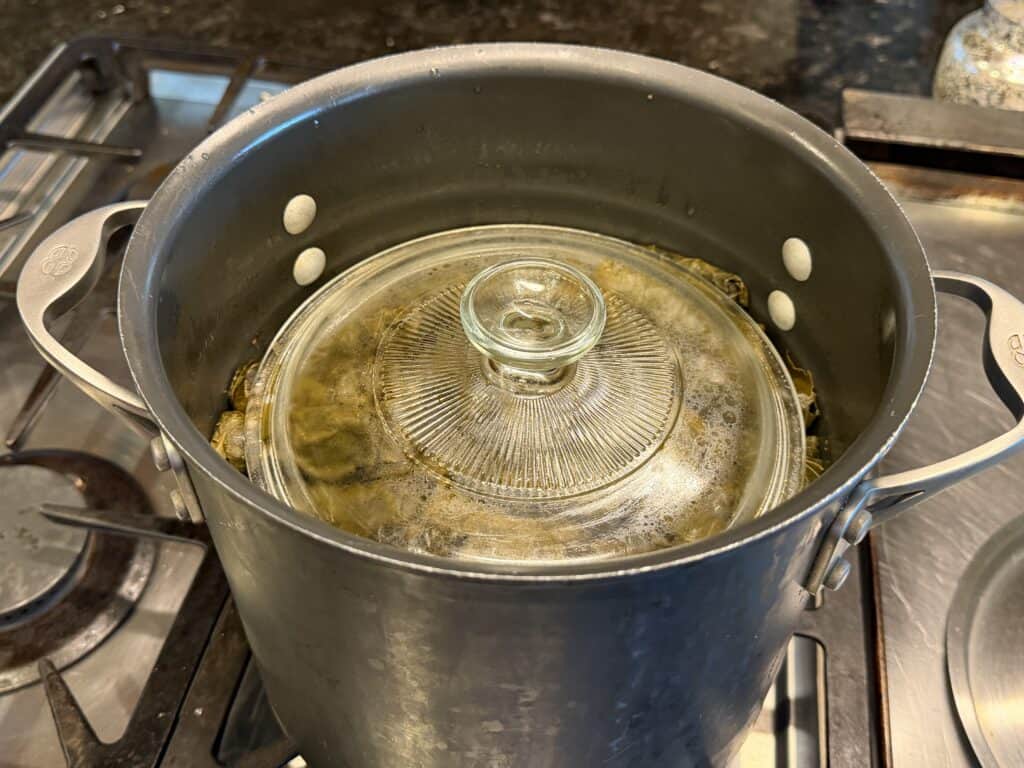
Add one cup of water and the lemon juice to the pot. The water and lemon juice mix should be about 1/2 inch above the grape leaves. If you need more liquid, add the 50/50 mix of water and lemon juice until you get there.
Bring to a boil and simmer for 40 minutes. Let cool in the post for about 30 minutes, allowing the grape leaves to cool slightly and reabsorb the remaining water. Remove from the pot with things and serve.
Serves six.
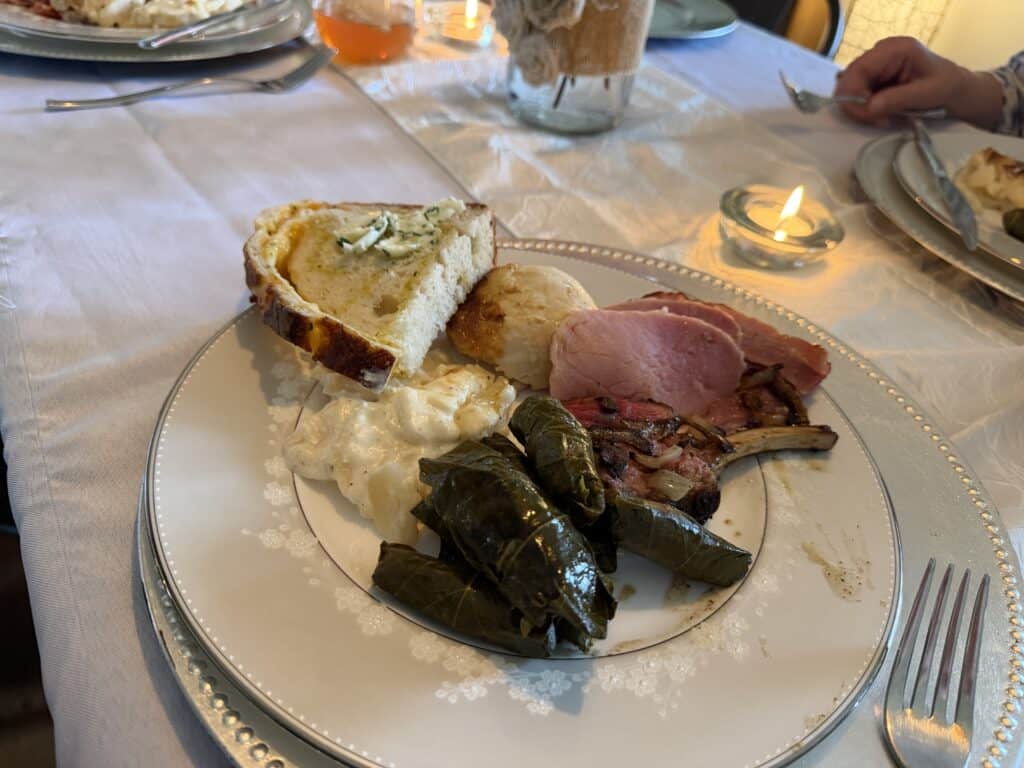
Getting the special ingredients
When in bigger cities, we’ll shop at markets catering to Middle Eastern foods. Luckily, all of these ingredients are available at your local Ingles, Food Lion or other major grocery store.
Another good piece of news is that one piece of the traditional hard work is done for you: the grape leaves are already soaked in brine.
Enjoy for your next holy holiday and praise God. He has Risen.