


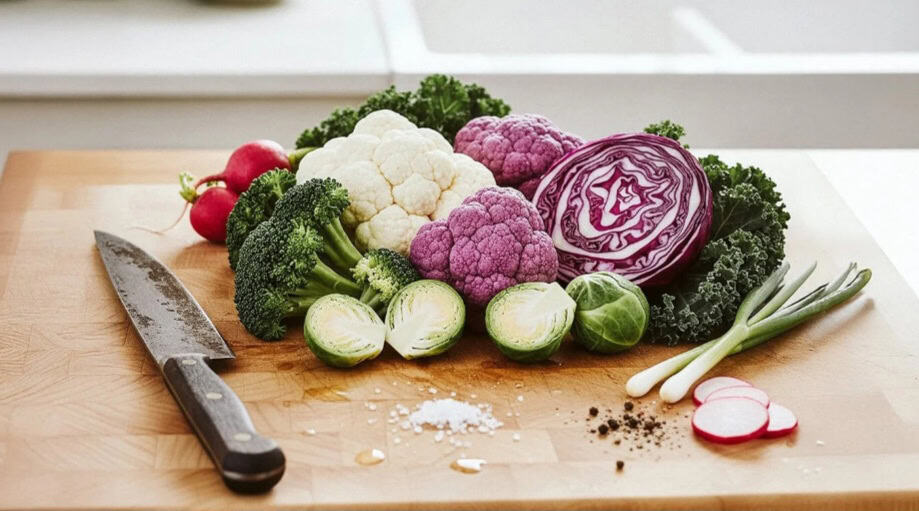

In a world where sweetness often steals the spotlight, bitterness tends to be pushed aside. From childhood warnings about broccoli to the instinctive grimace at black coffee, many people grow up avoiding bitter flavors. But for health reasons, that may need to change.
Nutrition experts—and practitioners of traditional herbal medicine—are increasingly encouraging a shift in perspective: bitter foods may be some of the most beneficial additions to a healthy diet.
Bitter foods—such as kale, arugula, Brussels sprouts, grapefruit, and dark chocolate—are packed with essential nutrients and plant compounds that support overall health. These foods contain high levels of antioxidants, which help protect the body from damage caused by free radicals, unstable molecules linked to aging and chronic disease.
Think of them as natural GLP-1 stimulators.
One of the most notable benefits of bitter foods is their role in digestion. The bitter taste stimulates the production of saliva and digestive enzymes, helping the body break down food more efficiently. This process can improve nutrient absorption and reduce common digestive issues such as bloating and indigestion.

This idea is strongly emphasized by teachings from Dr. Christopher’s School of Natural Healing, which highlight the importance of “bitters” in supporting the body’s natural processes. According to this tradition, bitter herbs and foods—such as dandelion greens, burdock root, and gentian—help tone and stimulate the digestive system. Practitioners believe that regularly consuming bitter substances can “awaken” sluggish digestion and restore balance within the body.
In addition to aiding digestion, bitter foods may play a measurable role in weight management and natural anti-obesity effects. Scientific studies have found that bitter compounds interact with Type-2 taste receptors not only in the mouth, but also in the gut.
These receptors help regulate hormones such as Ghrelin (which stimulates hunger) and Peptide YY (which promotes fullness). By influencing these signals, bitter foods may help reduce appetite, delay gastric emptying, and increase satiety after meals. Think of them as natural GLP-1 stimulators.
Some research also suggests that bitter phytochemicals—particularly those found in cruciferous vegetables like broccoli and Brussels sprouts—may support metabolic health by improving insulin sensitivity and encouraging more efficient fat metabolism. Diets rich in these vegetables are often associated with lower body weight and reduced risk of obesity-related conditions, including Type-2 diabetes and cardiovascular disease.

Additionally, bitter foods tend to be naturally low in calories and high in dietary fiber. Fiber slows digestion, stabilizes blood sugar levels, and promotes a longer-lasting feeling of fullness. This combination can reduce overall calorie intake without requiring strict portion control, making bitter foods a practical tool for sustainable weight management.
From a traditional perspective, including that of Traditional Chinese Medicine, maintaining a healthy weight is closely tied to proper digestion and elimination. Bitter herbs are believed to stimulate bile flow and support the liver and digestive tract in breaking down fats and removing waste efficiently. While these claims are rooted in herbal tradition, they align with modern findings that connect digestive health to metabolic balance.
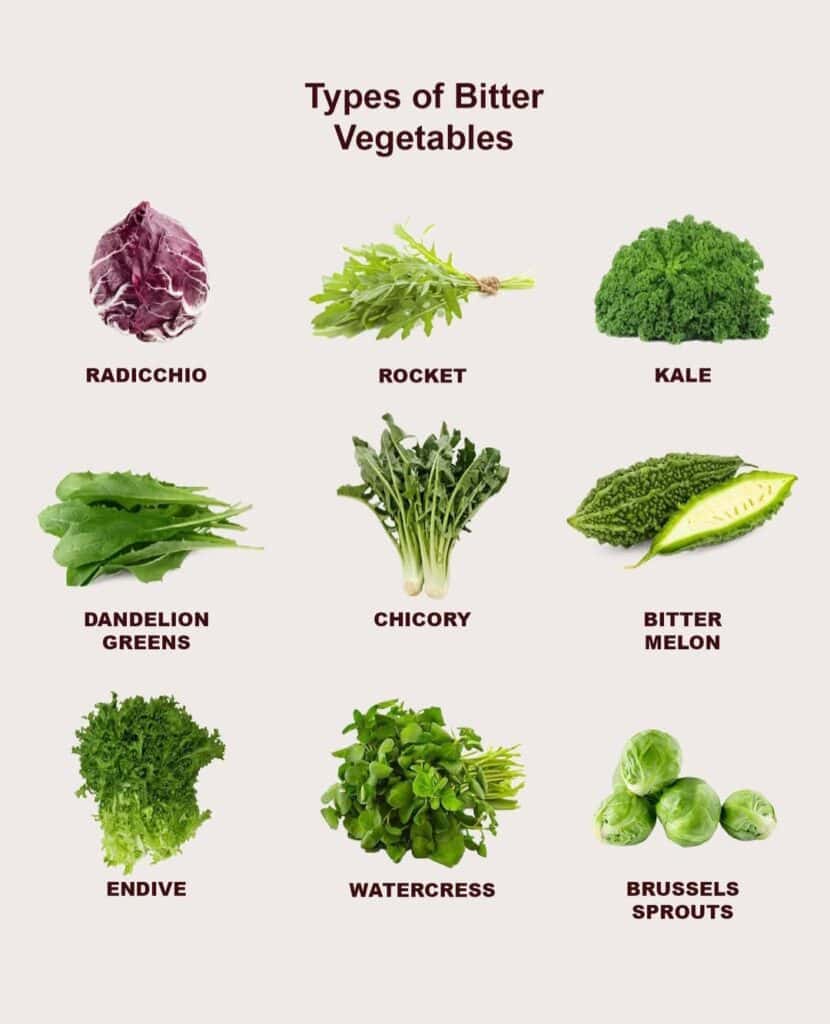
Bitter foods also play a role in supporting liver function, another principle emphasized in natural healing practices. The liver is responsible for detoxifying the body, and compounds in foods like dandelion and other bitter herbs are traditionally used to stimulate bile production and support cleansing processes. While modern science continues to study these effects, herbal traditions have long regarded bitter foods as essential for maintaining liver health.
Despite their benefits, bitter foods remain underappreciated in many diets. Experts—and herbal educators alike—suggest that exposure and preparation are key to changing perceptions. Pairing bitter vegetables with healthy fats, such as olive oil, or adding a touch of sweetness from fruits can balance flavors and make these foods more appealing.
As both modern nutrition science and traditional herbal teachings point to the value of bitter foods, it may be time to rethink their place at the table. Embracing bitterness could be a simple yet powerful step toward better health—one bite at a time.