


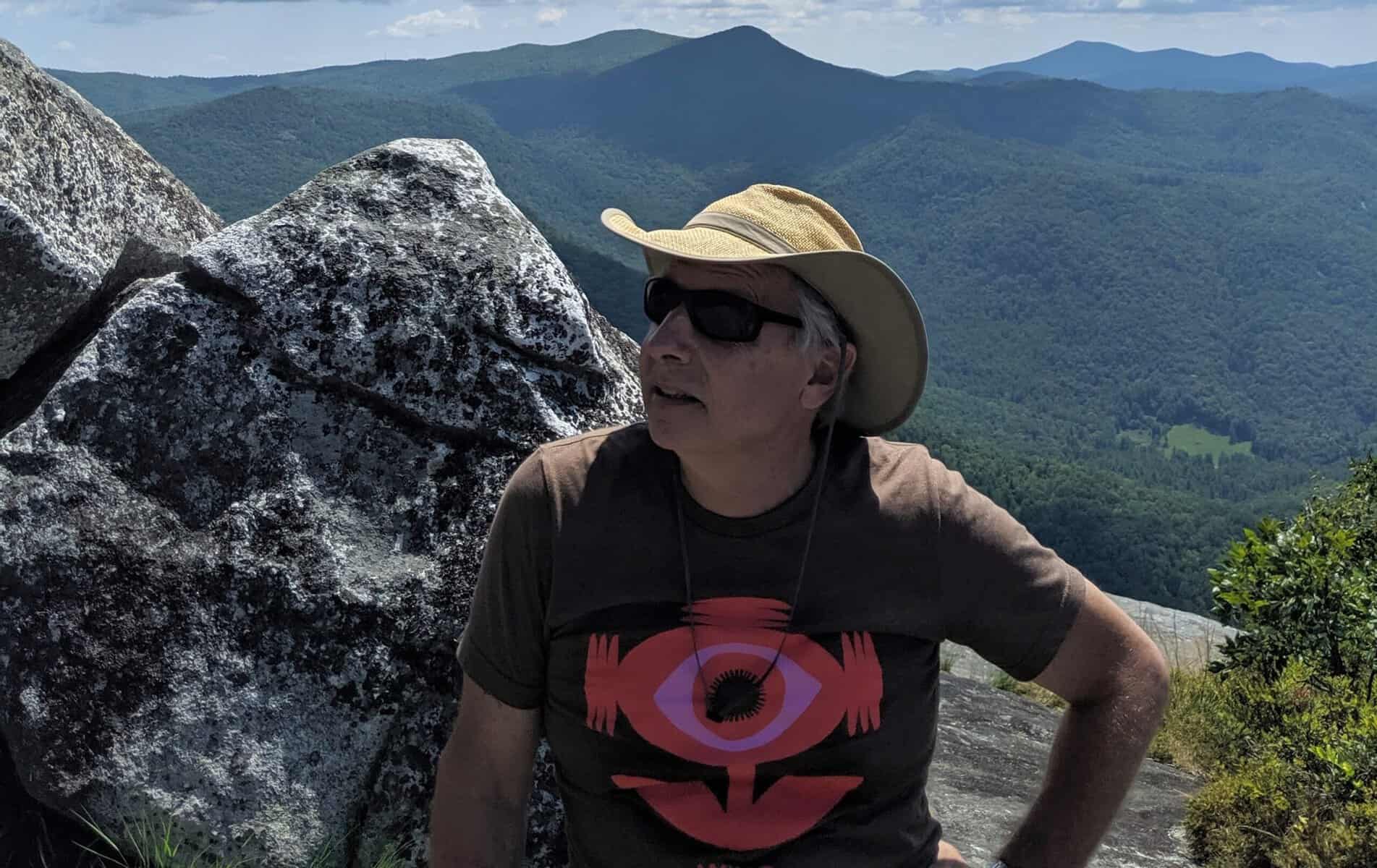

After eight years leading a volunteer-powered effort to maintain more than 100 miles of historic trail across the Southern Appalachians, Brent Martin is stepping away.
His retirement marks the end of a significant chapter for the Blue Ridge Bartram Trail Conservancy (BRBTC) – an organization that, for decades, preserved and promoted the legacy of one of America’s most renowned naturalists, William Bartram. During Brent’s tenure, that mission gained new momentum, and the trail itself found new life.
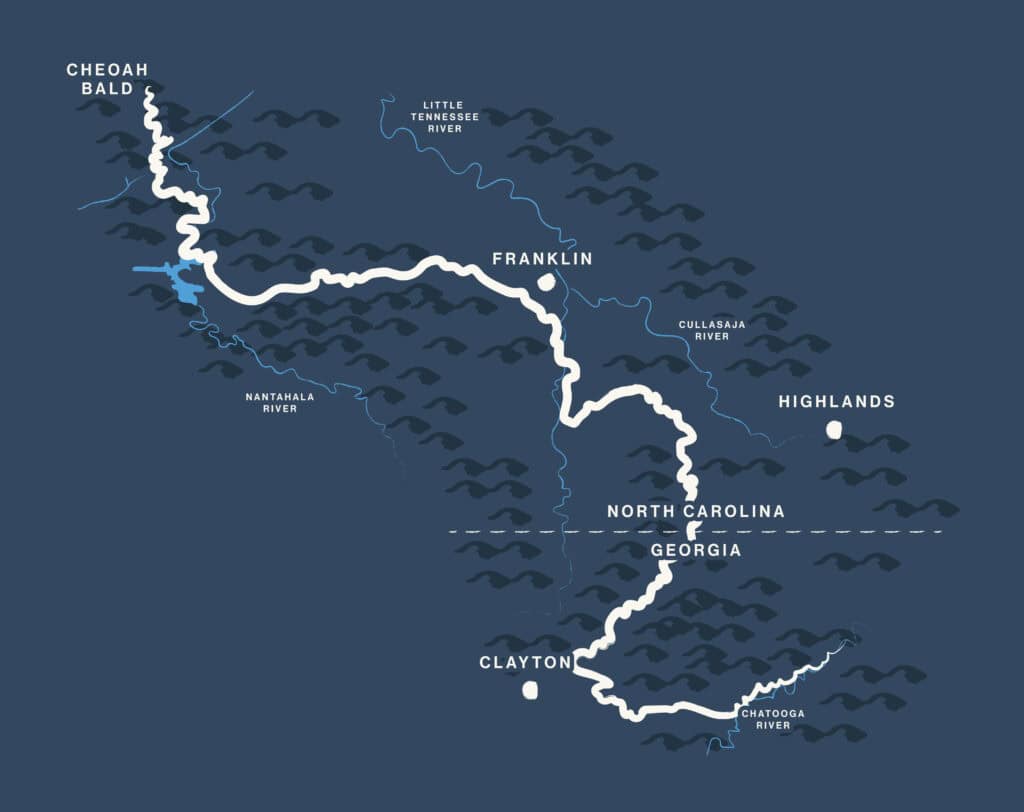
The conservancy is a nonprofit that stewards a route inspired by Bartram’s local travels from 1773 to 1775. A naturalist, writer, and illustrator, he explored the southern Appalachians, documenting the region’s flora, fauna, and culture. Today, that path, stretching more than 100 miles across North Carolina and Georgia, is maintained entirely by volunteers.
The organization’s beginning was humble. According to its own history, “The Blue Ridge Bartram Trail Conservancy, formerly known as the North Carolina Bartram Trail Society, was organized on Nov. 1, 1977, by 11 North Carolina residents. It was the culmination of several years of dreaming, research, and planning.”

Over 30 miles in Georgia and more than 70 miles in North Carolina fell under the care of volunteers coordinated by Martin. The trail is divided into 13 sections, and one of the most significant changes in recent years was its integration into the town of Franklin, making it safer and more accessible for hikers.
While a route had existed before, it primarily followed roadways, requiring walkers to pass from the fairgrounds into town along public roads to reach another trailhead.
“Mainspring (Conservation Trust) purchased 21 acres that the town in turn bought. Then, we could reroute to downtown and eliminate road walking,” Martin explained.
Under his leadership, the trail was redirected behind the fairgrounds, guiding visitors through a township-owned public park, wooded areas, and onto the Greenway, which now leads directly into downtown. Now, Franklin is a hiking town with a hiking trail through it.

“It takes us one step further toward our goal of linking the Appalachian Trail directly to town through a connection to the Bartram Trail, connecting the river and mountains to Main Street. Those connections are key to our way of life and our local economy,” Mayor Stacy Guffey commented.
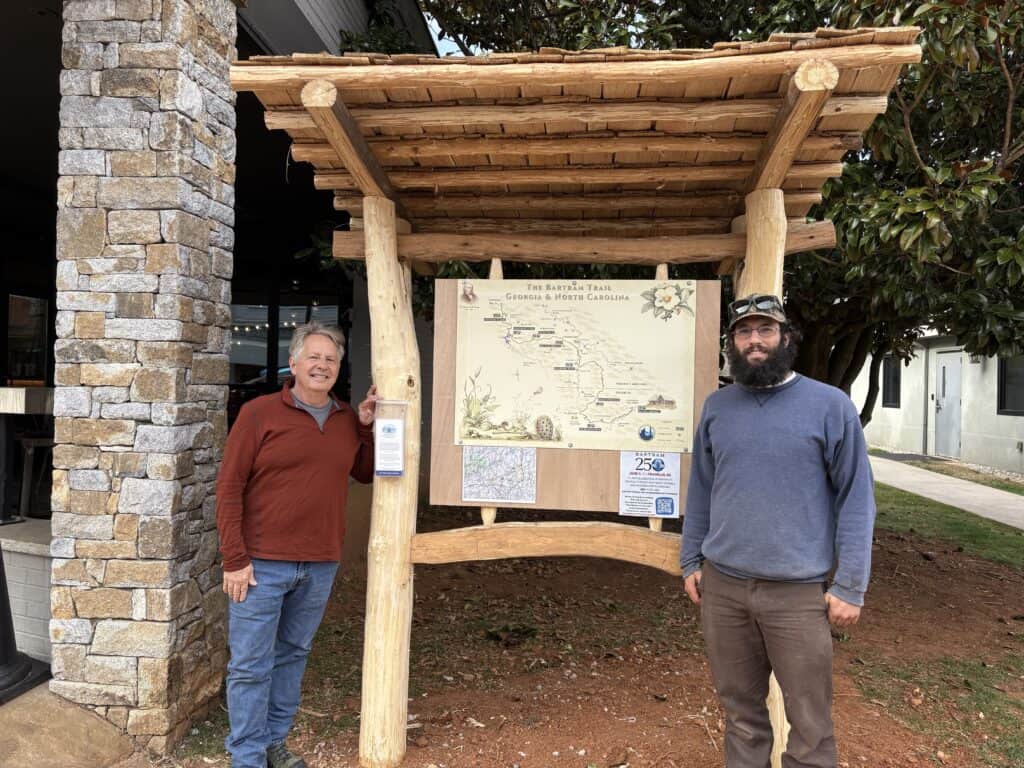
These changes were part of Brent’s broader impact. During his leadership, the organization grew from a small group of enthusiasts into a stable structure with an expanded volunteer base, donors, and a staff of three.
According to the organization’s IRS Form 990 filings, its financial position strengthened in recent years. Total revenue remained relatively stable at approximately $230,000. Under Martin, expenses decreased significantly, contributing to a notable increase in net assets.
At the same time, the organization’s most important resource remained its people.
“Leadership is an interesting thing. It requires a lot of self-sacrifice and putting others first, and that’s not always conducive to self-care,” Martin shared.
How it started
His path into conservation began in childhood. He grew up in Cobb County, Ga., spending time in the woods, fishing and hunting.
“For whatever reason, I was enthralled by the natural world,” he recalled.
Over the years, he watched familiar landscapes disappear under the pressure of urbanization. “I watched it get devoured by the time I was in my teens, and it turned me into a conservationist and environmentalist.”
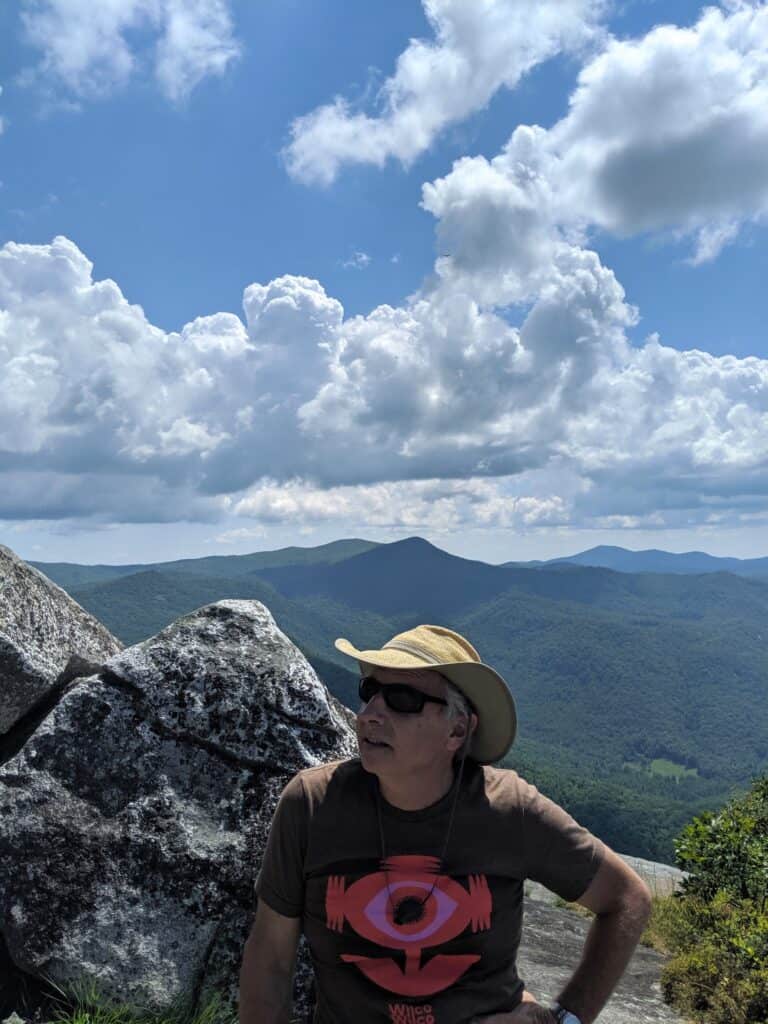
That experience shaped not only his career, but his personal life as well. It was through a shared love of nature that he met his future wife and business partner, Angela Faye Martin.
“We met in Atlanta, sharing a mutual love for our ancestral lands in north Georgia. I began working in forest protection only about two years after meeting him,” Faye Martin said.
Together, they founded Alarka Expeditions, a Franklin-based company offering educational and nature-based programs, from botany to river trips along the Little Tennessee.
“We both came from homes that broke apart just before our teens, and we both see the woods as a place of belonging and safety. A refuge. So, it’s not a stretch for us to empathize with wildlife that need intact forests,” she explained.
Their combined experience, nearly half a century working with nature, became the foundation for both their business and public service.
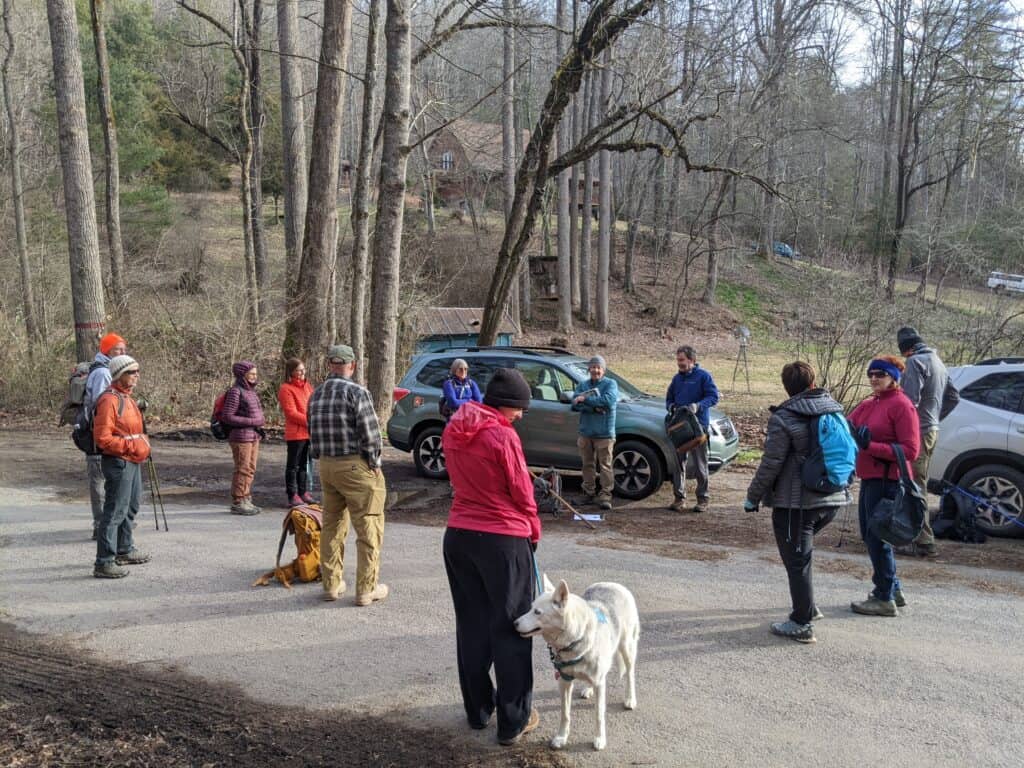
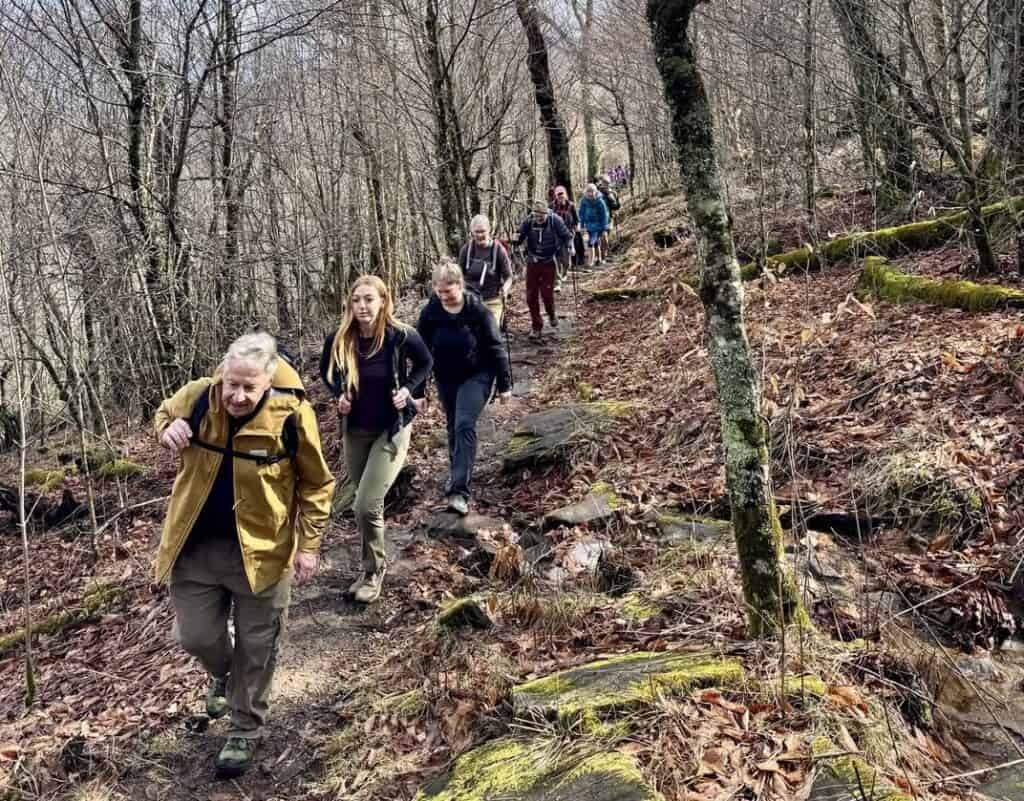
A key part of Brent’s work was building community. Volunteers come to the Bartram Trail for different reasons, some seek physical activity, others connection, and some a sense of inner peace. But his ability to bring these people together became one of the defining traits of his leadership.
“No matter your age or skill level, you can help!”
Changed lives
One of those whose life was changed by that community is Starlett Henderson. Her daughter joined as a volunteer first, and later, she followed. Today, Starlett is the treasurer for the BRBTC.
“[Brent’s] work helped bring the Bartram Trail into the spotlight, making it more accessible and welcoming to the community. With established trailheads and well-maintained paths, people felt safe exploring it. He also actively promoted the trail through local groups and events, while expanding the organization’s staff,” Henderson shared.
Stretching more than 100 miles across North Carolina and Georgia, the Bartram Trail is maintained entirely by volunteers.
Over the years, the organization not only grew but also evolved, shifting from basic trail maintenance to broader educational and cultural initiatives.
“I’m most proud of the bilingual programs [Brent] developed with Estela Ruiz. He was incredibly innovative in how he built programming that incorporated art, nature, and cultural diversity, all while showing up for the trail work,” Faye Martin said.
Collaborations with artistic and educational initiatives, including the Kinship Photography Collective, helped introduce Bartram’s legacy to a new audience.
The science nerd trail
At the same time, the Bartram Trail has developed a distinct identity, different from the more widely known Appalachian Trail. “It’s the science-nerd sister of the worldly and popular AT,” noted Faye Martin.
Despite its lower profile, the trail holds significant potential, both environmentally and economically.
“The Bartram Trail could be one of the most ecologically diverse trails in the country. The plant diversity alone is off the charts. If Franklin gets on the map as an ecotourism destination, the money will follow. Our green is our gold,” she added.
Working with youth became another important focus. Martin consistently invested in the next generation, despite the higher costs and logistical challenges such programs require.
“No one works harder or gets up earlier than anyone I know…He invests himself in their participation in the outdoors,” Faye Martin said.
Not retirement. It’s retreading
On March 29, a celebration at Winding Stair Gardens marked Martin’s retirement. For many in attendance, it was a chance to reflect on the impact he had on their lives.
“He just was relentless in making sure that it stayed a place people pay attention to, and think about its future,” Henderson recalled there.
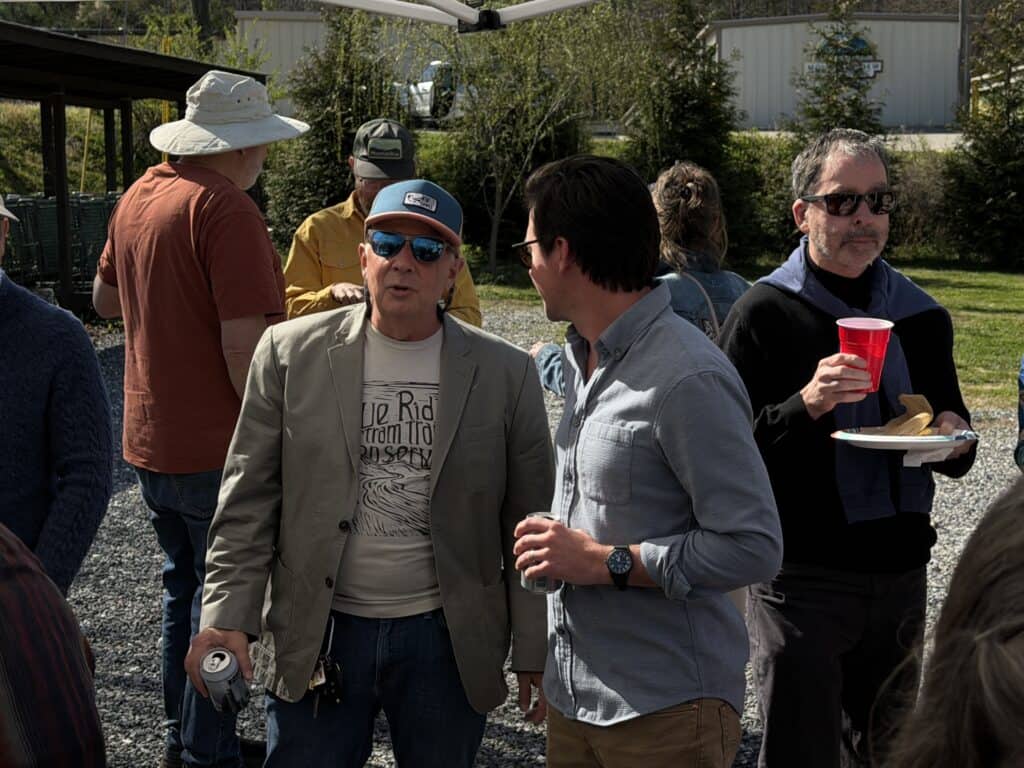
His departure doesn’t mark a full break from the work, rather, a shift in role. The organization is already entering a new chapter under the leadership of its new executive director, Raechel Littman.
Martin speaks about this transition with a sense of inspiration. “I’ve worked in conservation for over 30 years. Now, I can volunteer. And write.”
Asked what advice he would give to the next generation of conservationists, Martin answered with a smile: “Go to law school! Just kidding. Follow your heart. Don’t expect to make a lot of money, your riches will be in experiences.”
Ultimately, Brent Martin isn’t leaving, he’s just “retreading” for the next phase of his life. And perhaps now, he’ll finally have more time to walk the trail again.