


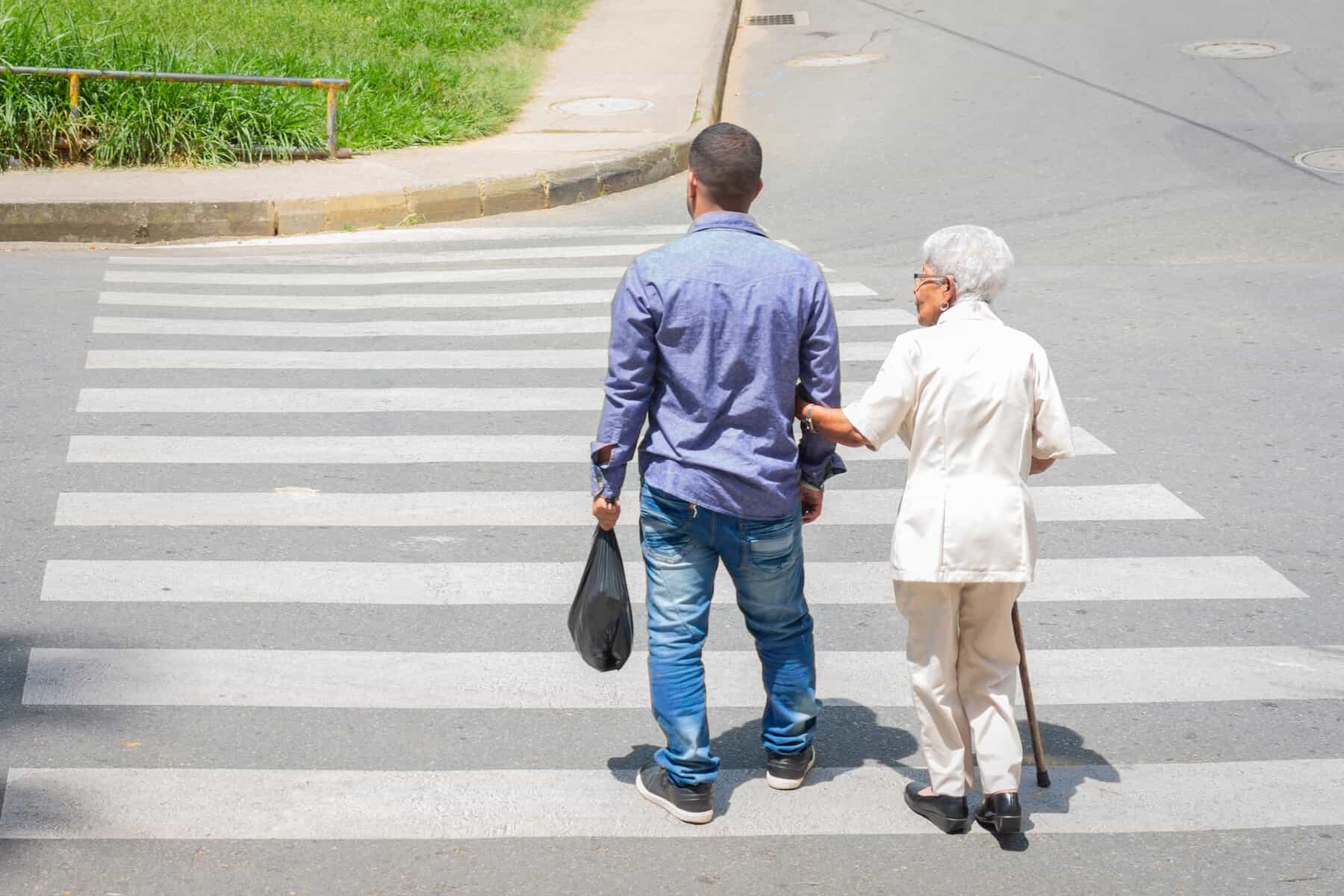

A friend recently offered a simple prompt: write about gratitude and kindness. Not as abstractions, but as daily practices: speaking kindly to people, especially those serving others, and remembering to be grateful for what is good in our lives.
It is straightforward counsel. It is also more necessary than we admit.
There is a discipline to both. Gratitude requires awareness. Choosing to notice what is working, what is present, what is given.
Kindness requires intention, choosing words, tone, and posture that elevate rather than diminish. Neither comes naturally when we are rushed, distracted, or in pain. Those are precisely the moments when they matter most.

A sharp word lands harder than intended. A kind word travels further than expected.
About a year ago, I was in the drive-through line at McDonald’s. Sitting there, I found myself thinking: “God, I know you are real. I’m a believer. But I need a sign.”
I had heard stories about people paying for the car behind them. So I added, almost as a quiet test: if you want to give me a sign, have the person in front of me pay for my meal.
I pulled up to the window. The clerk handed me my order and said, “Sir, your meal has been paid for by the person right there pulling off that was in front of you.” I was stunned.
A small, ordinary act – timed exactly as it was – became something more. Not because of the cost of a meal, but because of the unmistakable nature of it.

It interrupted routine. It carried meaning. It reminded me that kindness is real, that it moves quietly and divinely through everyday moments, and that gratitude is the only appropriate response when you recognize it.
It is often said that we do not know what others are going through. That is not a cliché; it is a constant. The person behind the counter may be exhausted. The driver next to you may be carrying something heavy. A sharp word lands harder than intended. A kind word travels further than expected.
What is less discussed is how these choices shape the person making them. Gratitude reorients perspective. It pulls attention away from what is lacking and fixes it on what is present.
Kindness builds restraint. It replaces reflex with intention, irritation with steadiness. Over time, these are not isolated acts – they become habits of character.
For the receiver, the impact can be immediate. A brief acknowledgment -“thank you, I appreciate you” – can reset the tone of a day. A small, unexpected gesture can interrupt isolation. Most acts of kindness are quickly forgotten by the giver and long remembered by the one who receives them.
None of this requires grand gestures. It is built in small, repeatable decisions: speak respectfully, pause before reacting, notice effort, express thanks without qualification. These are not dramatic choices, but they are consequential ones.
In a time that often feels transactional and impersonal, choosing gratitude and kindness restores something essential. It affirms that people are not obstacles or background noise – they are individuals navigating their own burdens, just as we are.
Defaulting to kindness is not weakness. It is discipline. Practicing gratitude is not sentimentality. It is clarity. And taken together, they are not optional virtues, they are the daily standards that hold a life, and a society, together.