




Two Southern cities. Two capitals of memory. Two places where America still whispers through brick, church bells, iron gates, graveyards, riverbanks, cobblestones, and human ambition.
I have spent much of my adult life around historic Richmond, Virginia.
Heck, I worked in the Governor’s office in Jefferson’s designed Capital.
It is home. Its rhythms, monuments, contradictions, and civic instincts are familiar to me.

But after several days walking through historic Charleston, South Carolina, I found myself asking an uncomfortable but fascinating question:
Which historic Southern city is actually “better” — Richmond or Charleston?
The answer depends entirely on what one values most about history itself.
Charleston is preservation.

Richmond is consequence.
Charleston feels almost suspended in time. The architecture is astonishingly intact. The narrow streets, church steeples, hidden gardens, pastel facades, gas lanterns, harbor breezes, and meticulously preserved homes create the sensation that the eighteenth and nineteenth centuries never fully left.
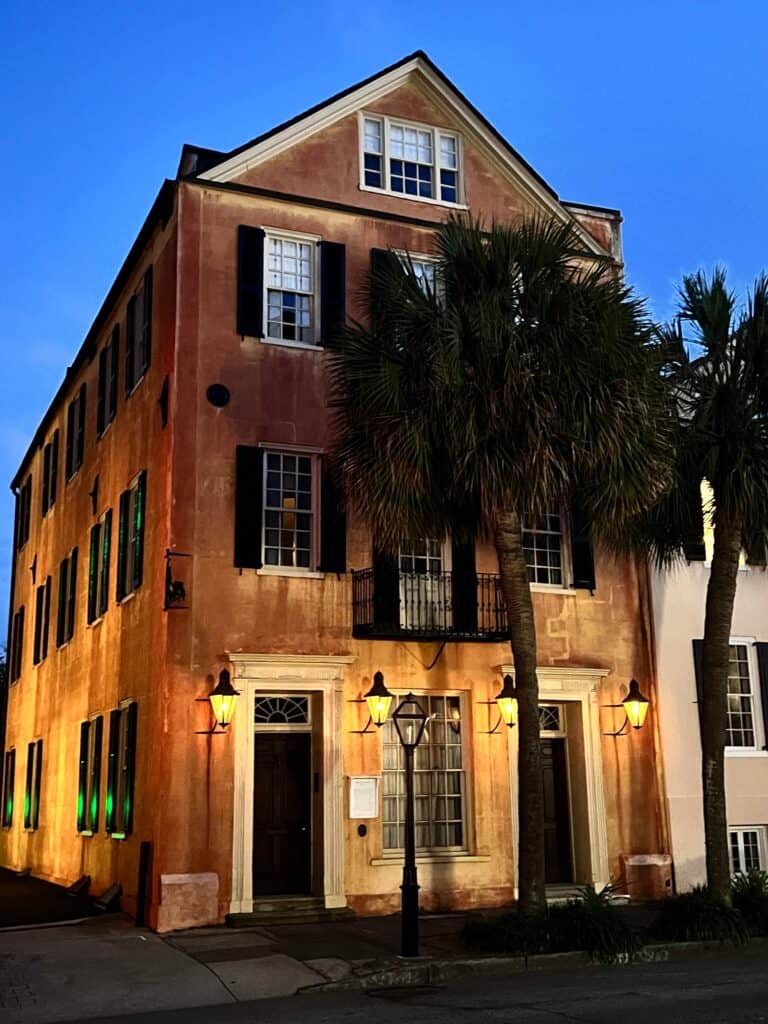
Walking through the historic district near Rainbow Row or along The Battery can feel cinematic. One almost expects a carriage wheel or a Continental Army officer to appear around the next corner.Charleston understands presentation. It curates beauty exceptionally well.
And yet beneath the elegance is immense historical gravity. Charleston was one of the wealthiest cities in colonial America.
It was shaped by Atlantic commerce, rice and indigo fortunes, slavery, faith, warfare, and maritime power. The opening shots of the Civil War thundered in its harbor at Fort Sumter.
The city carries both extraordinary beauty and enormous moral weight simultaneously.
Richmond, however, feels different.
Charleston invites admiration.
Richmond demands engagement.
Richmond is not as uniformly picturesque as Charleston. It never will be. Time, fire, industrialization, war, political upheaval, interstate construction, and twentieth-century urban planning altered Richmond in ways Charleston largely escaped.
Richmond in the Revolution
But Richmond possesses something Charleston does not quite match: the feeling that American history was not merely preserved there — it was decided there.
Richmond was the capital of Virginia during the founding era and later the capital of the Confederacy. Patrick Henry’s “Give me liberty or give me death” speech echoed from nearby St. John’s Church.
George Washington, Thomas Jefferson, James Madison, James Monroe, John Marshall, and countless architects of the republic moved through Virginia’s political orbit.
The ideas that shaped constitutional government, religious liberty, federalism, and the American experiment itself were debated, refined, and institutionalized in Richmond and its surrounding sphere.
Charleston preserves the Southern past beautifully.
Richmond shaped the American future profoundly.
Even the geography reflects this difference.
Charleston rests gracefully beside the harbor, elegant and outward-facing. Richmond rises along the falls of the James River with a harder edge — commercial, political, industrial, and strategic.
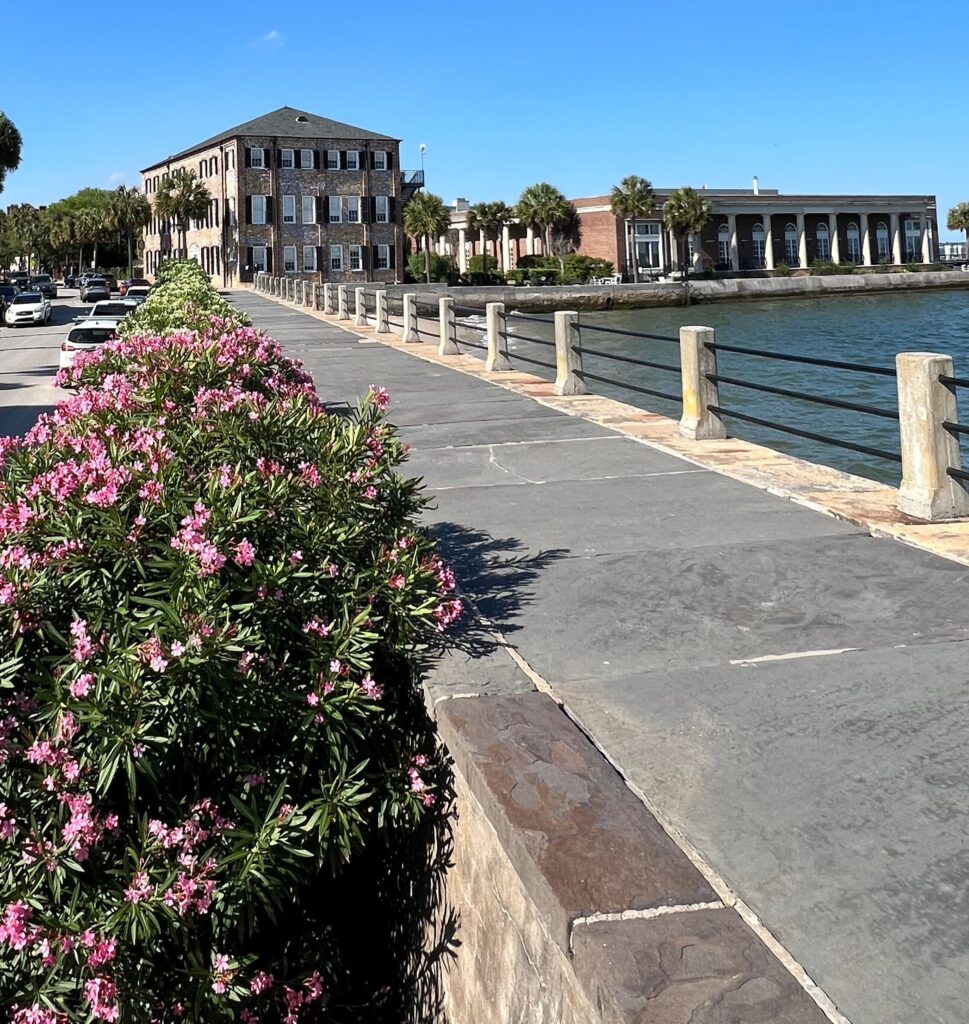
Charleston feels mercantile. Richmond feels governmental. Charleston feels aristocratic. Richmond feels ideological.
And yet both cities share something increasingly rare in modern America: historical continuity.
Neither city fully surrendered its identity to modern homogenization. One can still sense distinct regional character there.
The churches still matter. The cemeteries still speak. The old homes still anchor neighborhoods. The Revolution, the Civil War, the founding generation, and the long American story still feel physically present rather than abstract textbook concepts.
That matters.
Especially now.
At 250
America is 250 years old. And places like Charleston and Richmond remind us that history is not merely something archived in museums.
It lives in streetscapes, architecture, memory, civic culture, and inherited institutions.
These cities still force Americans to wrestle with the full complexity of our national story — the triumphs, contradictions, brilliance, suffering, ambition, faith, and flawed humanity that built the country we inherited.
So which city is better?
If one values beauty, preservation, walkability, atmosphere, and immersive colonial charm, Charleston probably wins.
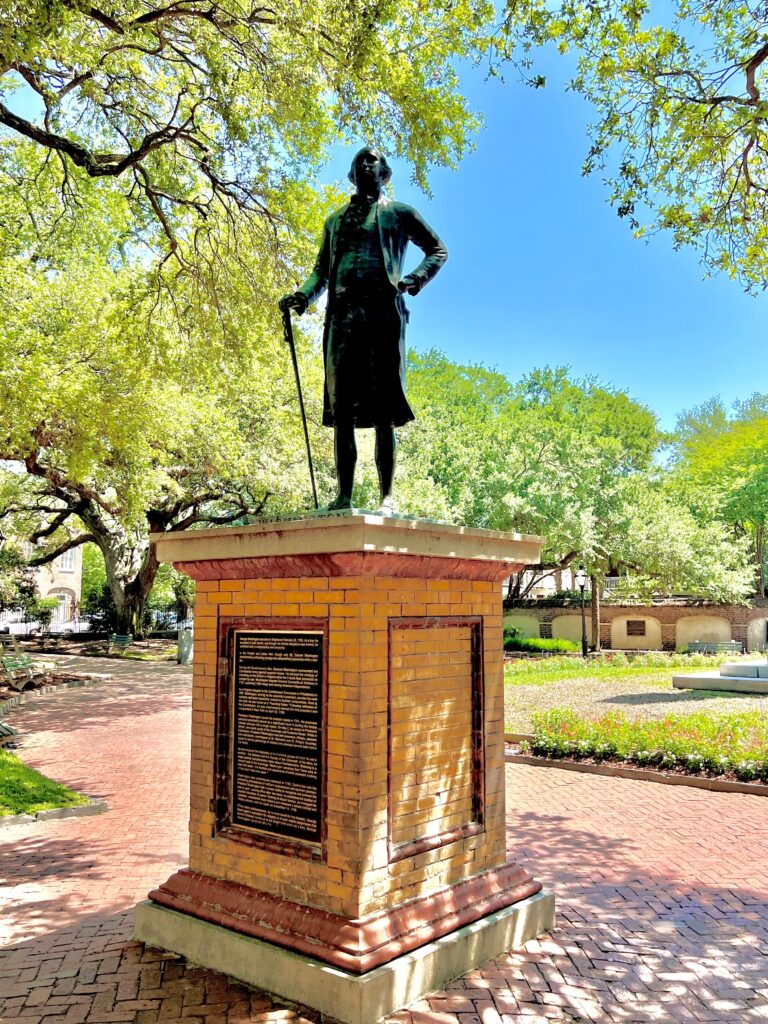
But if one values political consequence, intellectual legacy, constitutional history, and proximity to the actual machinery of American nationhood, Richmond still holds a unique and perhaps unmatched place in Southern history.
Charleston may be the South’s most beautiful historic city.
But Richmond may still be its most important one.
God bless America.