




After the officials gave permission, the front doors to the detention center finally opened.
We found ourselves in a small entryway — the first and last place in the building where it was still possible to see and feel the sunlight.
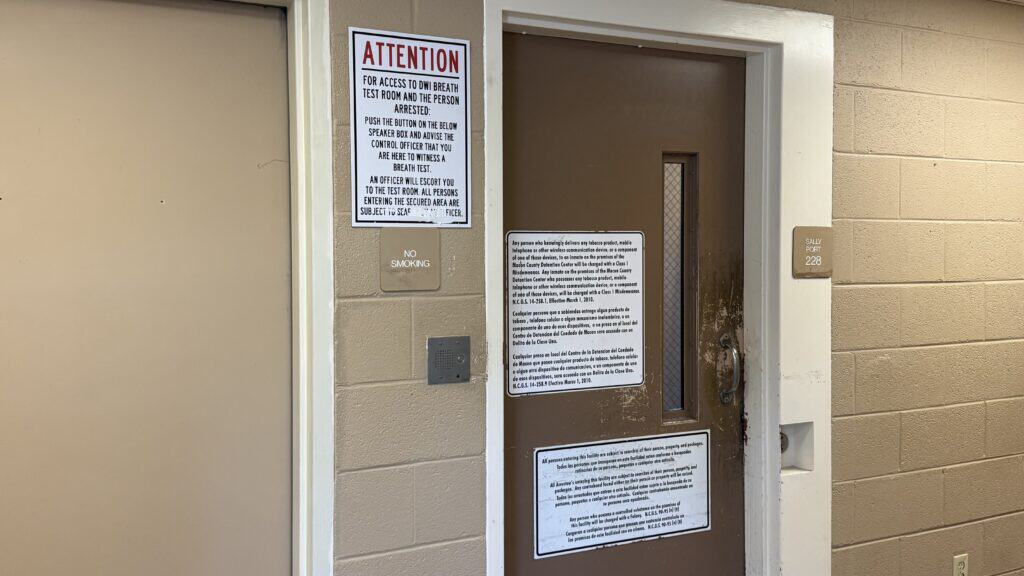
Behind the next doors — cold, heavy locks, lockers where personal belongings were left. Then came the area for signing documents, scanning ID cards, and undergoing an additional search by officers. Only after all that was the buttonless elevator summoned remotely.
Most people don’t think of jails as a positive place, but a group of women I’m following is on a mission to bring hope, support, grace, and forgiveness to those in need.

Grace behind locked doors
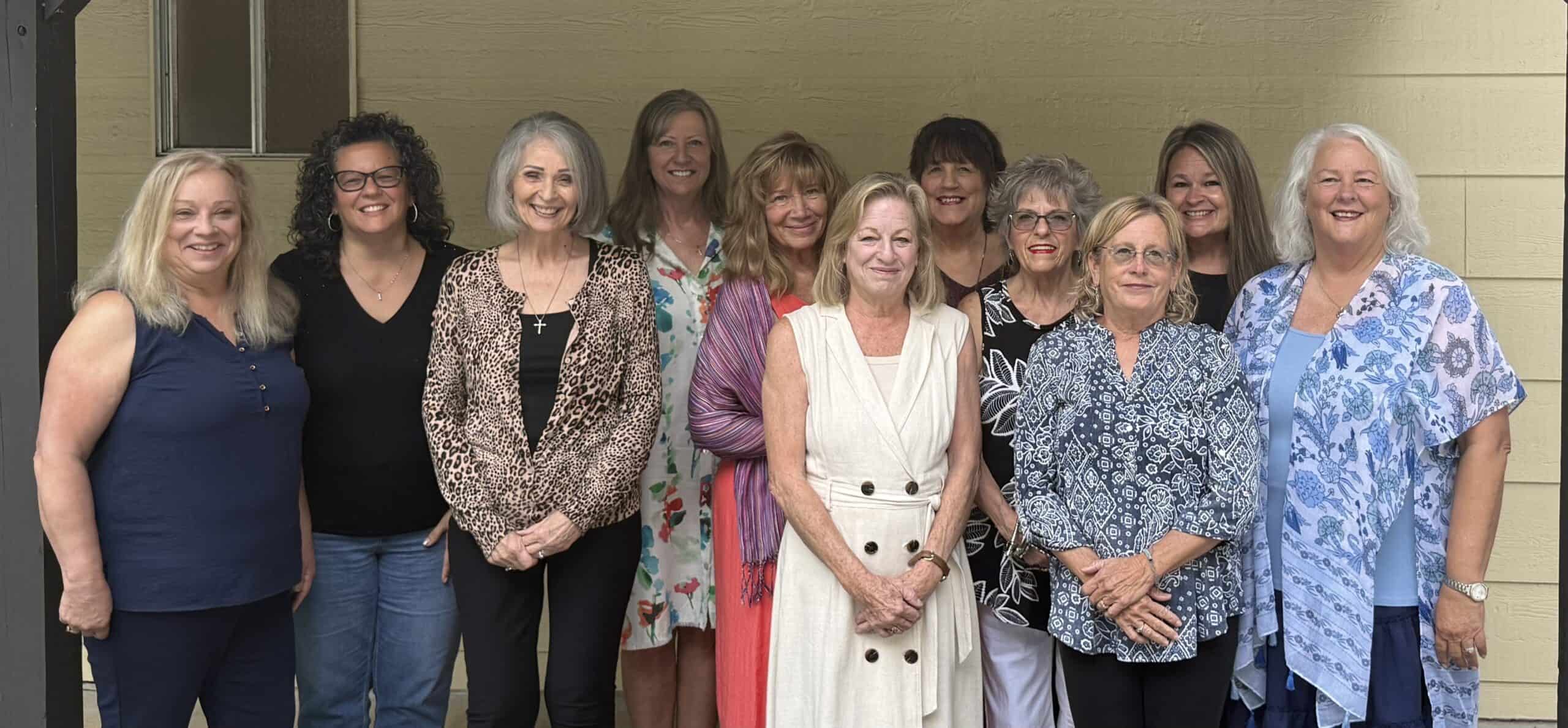
On the 250th anniversary of America’s independence, Macon Sense was given the opportunity to enter the local women’s jail with volunteers of the Mary Ann Thompson Jail Ministry.
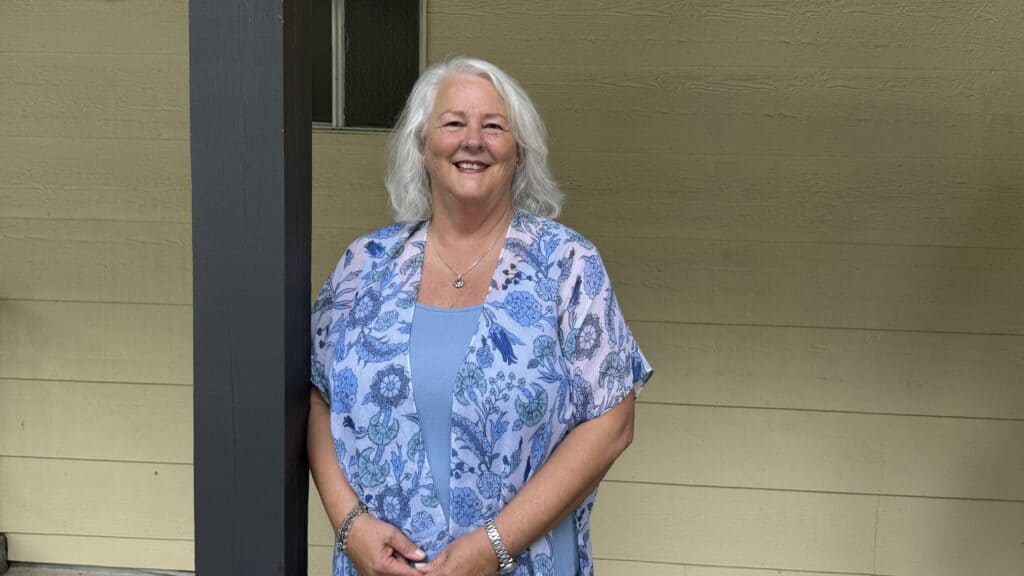
The effort was launched in 2001 when chaplain Mary Ann Thompson felt the call of the Holy Spirit to establish a ministry in the jails of Franklin. Eleven years later, several other women joined her. Among them was Loretta Newton. After Thompson passed away, Newton continued to lead the ministry, carrying on God’s work.
“We were thrilled by the opportunity to share Jesus,” Newton recalled. “So we joined her and began serving alongside her.”
That’s how the story of one woman’s calling became an anointing for many others.

While Newton is the ministry leader, each Friday night group has its own team lead sharing the responsibility of bringing the good news and sharing the burden.
Friday underground
The buttonless elevator took us below ground level.
Once we reached the building’s basement, we walked into a small room whose dimensions could hardly have exceeded ten-by-ten feet. My heart sank. I don’t know why I imagined something like a university classroom, where the detained women would be sitting somewhere away from me, while I would simply observe what was happening. Reality turned out to be different.
Newton paired with Kara Chippi and I was allowed to accompany them.
The door to the small room opened, and five women in striped orange-and-white outfits filed in one by one and took their seats. I tried to smile to hide my fear. Newton and Chippi were incredible. Fear was unknown to them. They radiated kindness, love, and openness.
Newton later recalled that she wasn’t stressed even on her very first day of ministry.
“I was not afraid at all,” she said. “But it was not my first time in jail. I was arrested in South Carolina in 1982 for DWI and spent the night in jail. I was scared then. Thankfully, I met Jesus a year later and never went back.”
A response to love
For the holiday, Newton brought the women a sweet treat. Regular sugar is prohibited in such facilities, so she made sure to bring cookies made with a sugar substitute.
After Newton asked the inmates if they had any prayer requests, I watched as she and Chippi wrote down each woman’s name and her requests. As it turned out, their ministry did not end on Friday. The names they wrote down remained in their prayers daily.
My initial fear and tension quickly gave way to the Lord’s peace and joy. I suddenly felt that Jesus was in that small room with us. Newton and Chippi were a living expression of His love — His disciples. They did not simply refuse to be afraid. They hugged the women, wiped their tears, listened to them, and continued preaching Scripture.
It was impossible not to notice how the detainees responded to that love. They cried. They shared personal stories. And at the same time — they praised God. Their pain, problems, bad decisions, and mistakes may have made them different in the eyes of society, but not in the eyes of God. They are the same lost sheep as all of us, who need to learn to recognize and hear the voice of their Good Shepherd.
“They are ordinary women with dreams and hopes for a better future for themselves and their families. Many are trapped in generational cycles of poverty, violence, and addiction, as well as lies that tell them they will never be able to change,” Newton emphasized.
This is exactly where the answer to the question of why this ministry is needed can be found.
“We bring hope — Jesus — to the women there. We offer hope for a new life and a better future, and we try to build relationships that can continue beyond the jail through our extended discipleship program,” she said.
A Biblical-partnership with the Sheriff
Franklin law enforcement also understands the importance of this ministry.
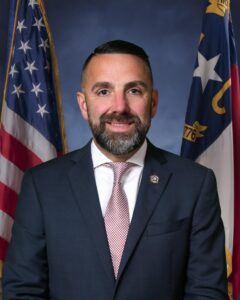
“I firmly believe that the encouragement, compassion, and spiritual guidance these ladies provide represent one of the greatest forms of recovery available,” Sheriff Brent Holbrooks said. “As Christians, we know that true transformation comes through a personal relationship with Jesus Christ. As stated in John 14:6, Jesus said, ‘I am the way, the truth, and the life.’ Lasting change begins when an individual chooses to place their faith in Him and desires a different path for their life.”
Of course, the women’s jail ministry is guided by the Bible.
“It is important to know who you are in Christ,” Newton explained. “Dependence on the Holy Spirit and prayer is essential for discernment in evangelism and every conversation.”
The ministry has a carefully thought-out plan for communicating with detainees. Topics for Friday evening discussions, Friday afternoon one-on-one conversations, and assistance after their release.
One rule that perhaps best reflects the heart of this ministry is that Newton urges volunteers not to ask what exactly brought the women to jail. This creates impartiality and allows the Holy Spirit to work without obstruction.
“The volunteers of the female Jail Ministry exemplify the love and compassion of Christ. They faithfully give of their time without expecting anything in return. They do not judge or condemn those they serve. Instead, they offer hope, encouragement, grace, and unconditional love through the teachings of Jesus Christ,” Sheriff Holbrooks said.
Over the years, he said, they have all witnessed the tremendous impact these women have had on the lives of countless female inmates.
“There have been numerous success stories and ‘praise reports’ that speak to the life-changing work being accomplished through their service,” he said.
The women in the jail ministry have witnessed more than one case of conversion. And although these changes may seem anecdotal, it is evidence that the ministry is moving in the right direction.
“They are precious souls that have made mistakes, but God will welcome them with open arms,” said one of the leaders, Kim Watkins.
This year, the team wants to expand its reach and connect with other church ministries.

“God is the only hope”
Every woman who has joined this ministry has her own personal reason for being here. Watkins shared her own story with Macon Sense.
“My daughter was an addict for many years and went to jail a couple times,” she said. “So I have seen first hand the destructive power of addiction. But I’ve also seen the power of prayer and how God can turn a life around and break the chains of addiction.”
Watkins emphasized: “God is the only hope.”
After many years of praying for her daughter, she is now a wonderful woman of God, married and raising her twin boys in the church. “God gave me my daughter back. How could I not share this story of hope?”
“Who are you in Christ?”
During the visit, I was struck by the words of some of the detainees. They understood their guilt. They understood the consequences of their actions and decisions. They spoke about the importance of a personal relationship with Jesus and the need to change the direction of their lives.
“What’s the power of choice if you don’t feel the consequences of your choice?” one of the detainees said.
Said Watkins, “I’ve seen girls who are hungry for God’s Word. There have been some who are spending their time while incarcerated to grow in their faith.”
When women want to be baptized, the jail ministry now has the opportunity onsite.
At each meeting, one question often comes up: Who are you in Christ? For some, the question is so painful that the answer comes in the form of tears and silence.
“We remind them that God’s love is not based on what they have done or where they have been,” Newton explained. “His love is constant, and through Jesus there is forgiveness, grace, and the opportunity for a new beginning.”

A new start
“We think whatever we’re going through is tough, but when you’re in a prison, where these girls are locked up, with nothing that we have on the outside — that’s the heartbreaking part of it,” said Marie McManus, a team leader. “Knowing that they are hearing the Word of God, whether or not they choose to follow Him there — it’s such a blessing to me.”
Each of the volunteers said the same thing: It is God’s grace to be part of this ministry. They look forward to visiting these women each week to share God’s word.
“Their ministry is a beautiful example of the Great Commission found in Matthew 28:19–20, where we are commanded to go, make disciples, and share the Gospel with others,” the Sheriff emphasized.
However, for many inmates, the hardest part begins after they are released. These women need a healthy community. And a healthy community begins with healthy churches.
After release, members say, the worst thing that can happen is returning to old habits and the old way of life. Because Christians believe that people are not called to deal with difficulties alone, the Mary Ann Thompson Jail Ministry gives released women brochures with their personal phone numbers and other useful information so that the women do not stray from the right path.
“The Macon County Sheriff’s Office is truly blessed to have such an extraordinary group of women ministering to the female inmate population,” Holbrooks said. “Their unwavering commitment, servant hearts, and Christ-centered approach continue to make a lasting difference in the lives of those seeking hope, healing, and a second chance.”
There are no hopeless people
Watkins said, “Never give up. We may not see how their lives turn out, but we’ve planted a seed. No one is too far gone for God’s forgiveness.”
“But God demonstrates His own love toward us, in that while we were still sinners, Christ died for us.” Romans 5:8
The author’s message
Each of us has a choice about what perspective to use when looking at another person: a worldly one or the Lord’s. We often tend toward judging others. Our own actions, especially when they are socially acceptable, seem less sinful to us. We divide good and evil according to our own standards, which are almost always capable of finding someone “worse” than us to justify our own wrongs.
Society has the power to save or destroy a person’s reputation because of their mistake. Even when a court of law declares a person innocent, we sometimes continue to take on the role of God and pass our own judgment.
Take Victor Hugo’s Les Misérables, and the story of Jean Valjean. The released convict with a yellow passport was feared and hated by people. At the same time, when he was the mayor of Montreuil-sur-Mer, he was loved and highly respected. The same person was perceived differently depending on the social “label” attached to him. The reader becomes filled with love for Valjean only because Victor Hugo took the time to describe all of his inner struggles and emotional battles during the most critical periods of the protagonist’s life.
How often do we know the stories of others — completely, rather than partially? Almost never. But the Lord knows. That is why it is so important to learn Christ’s love — and to treat others the way He wants us to.
Editor’s Note: Reporters are generally not allowed to directly interview or photograph inmates, which is why none appear in this article..
Also, as a result of her experience with this assignment, Mrs. Thiemann joined the Mary Ann Thompson Jail Ministry.