

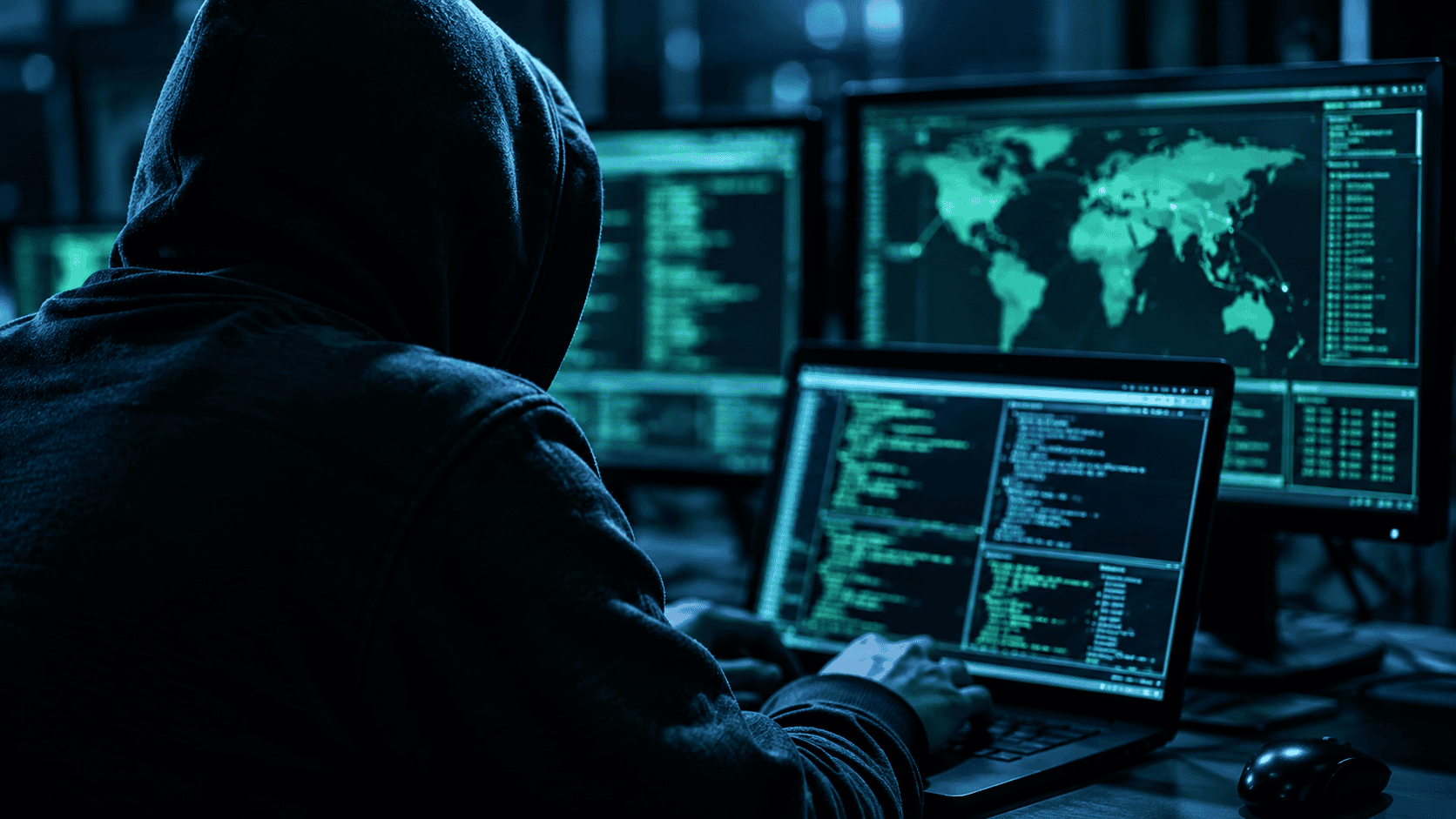

It seems like cyber criminals are after us all the time.
One common way cyber criminals try to get you to give them personal information is to send fake email alerts claiming some service you pay for online, such as a streaming video or music service, needs its payment method updated.
These messages are designed to scare you into clicking a malicious link or giving away personal information.
Real services do not pressure you urgently or threaten imminent cancelation. There are severalthings you can do if you get a message like this.

Most importantly, don’t click the link. Avoid clicking any link in an unexpected message. Instead, go directly to the streaming service’s official website or app and check your account for errors.
Check the sender’s email address or phone number. Scammers often use slight misspellings,variations or generic domain names.
Never provide payment details or passwords through an email or text link. It’s much safer to go to the service’s website.
Cyber criminals pose a special problem for businesses and government agencies. Businesses routinely require their employees to spend hours undergoing training on how to recognize cyber threats.
Despite the best efforts by IT professionals and employees, criminals can break through these defenses, prompting businesses and government agencies to find ways to manage these risks. One way to mitigate these risks is cyber liability insurance.
Cyber liability insurance policies vary on exactly what is covered, so it’s important to read the fine print closely. Ask your agent or insurance company questions if you’re not sure what is covered.
A policy may provide for first-party coverage for an insured business or third-party coverage for the business’ customers or the public.
First-party coverage examples include paying for the expenses of recovering from a cyberattack, paying for business interruption losses or extortion expenses. An example of third-party coverage would be paying for the liability damages claimed against the business resulting from the attack.
Most cyber liability insurance is designed for businesses and government agencies. However, individuals may be interested in obtaining identity fraud coverage. This could be helpful if you experience losses because a criminal steals your personal identifiable information, such as your Social Security number, driver’s license number or bank account or credit card numbers.
Monitor your financial account information and your credit report to make sure someone hasn’t stolen your personal information or adopted your identity.
I recommend that business owners concerned about cyber liability reach out to a licensed insurance agent who is knowledgeable about cyber liability insurance to discuss your options.
We have full-time experts ready to help consumers about cyber insurance and other insurance questions. You may contact a consumer expert by calling 855=408-1212 weekdays from 8 a.m. to 5 p.m. Or you may visit www.ncdoi.gov.