



Business brought me to Washington last week, with a stay at the Army-Navy Club and an opportunity to indulge my history passion.
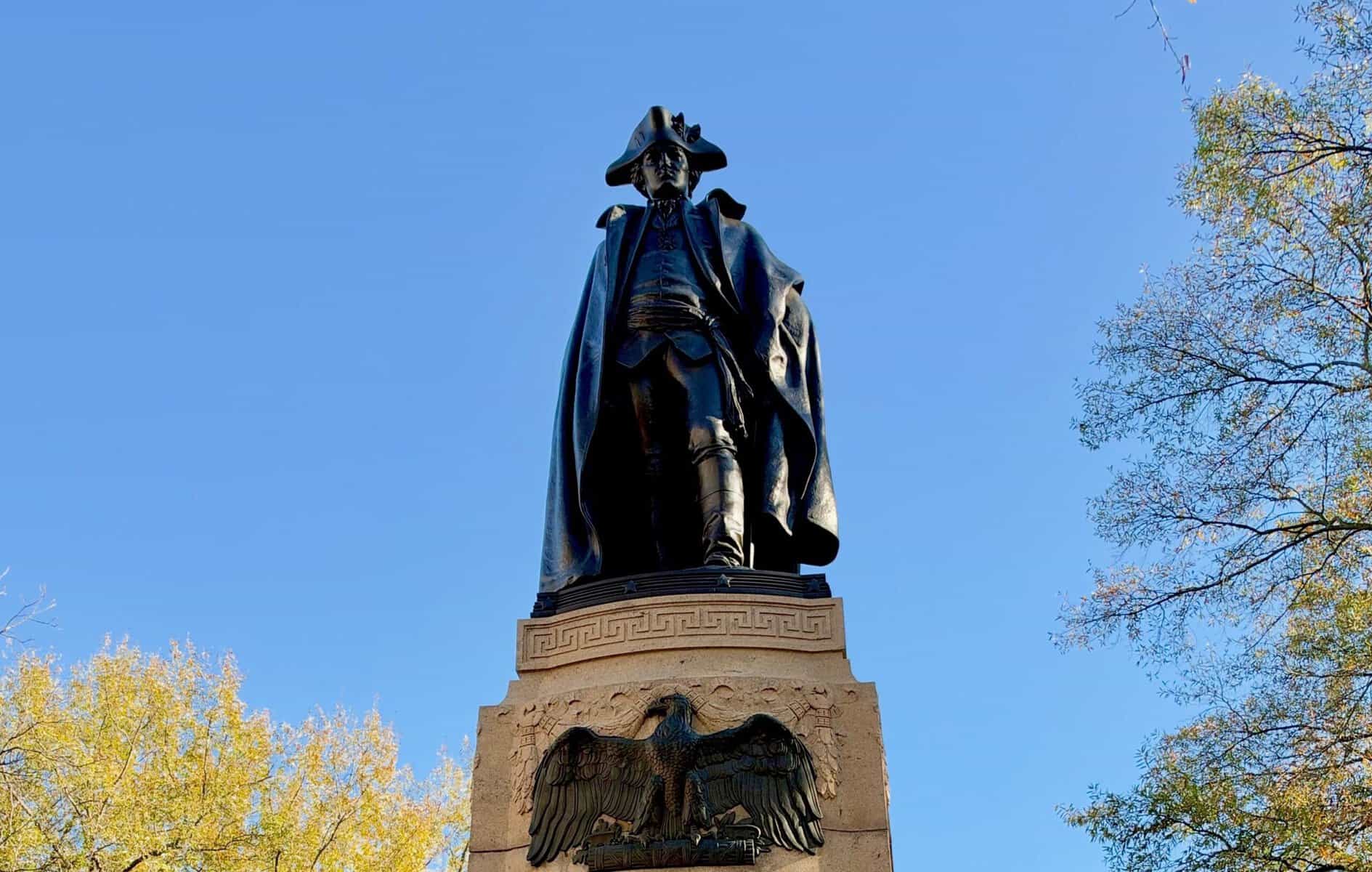
In nearby Lafayette Park, I photographed the statue of Baron von Steuben. Wrapped in a military cloak, he has stood at the park’s northwest corner since 1910. Most people probably pass him on their way to see the White House – he’s hard to miss.
During a February 2025 visit to the club, I asked librarian Katherine Cornelius about the oldest book in her collection. It’s the sort of question a former reporter with a weakness for Revolutionary War history can’t resist.
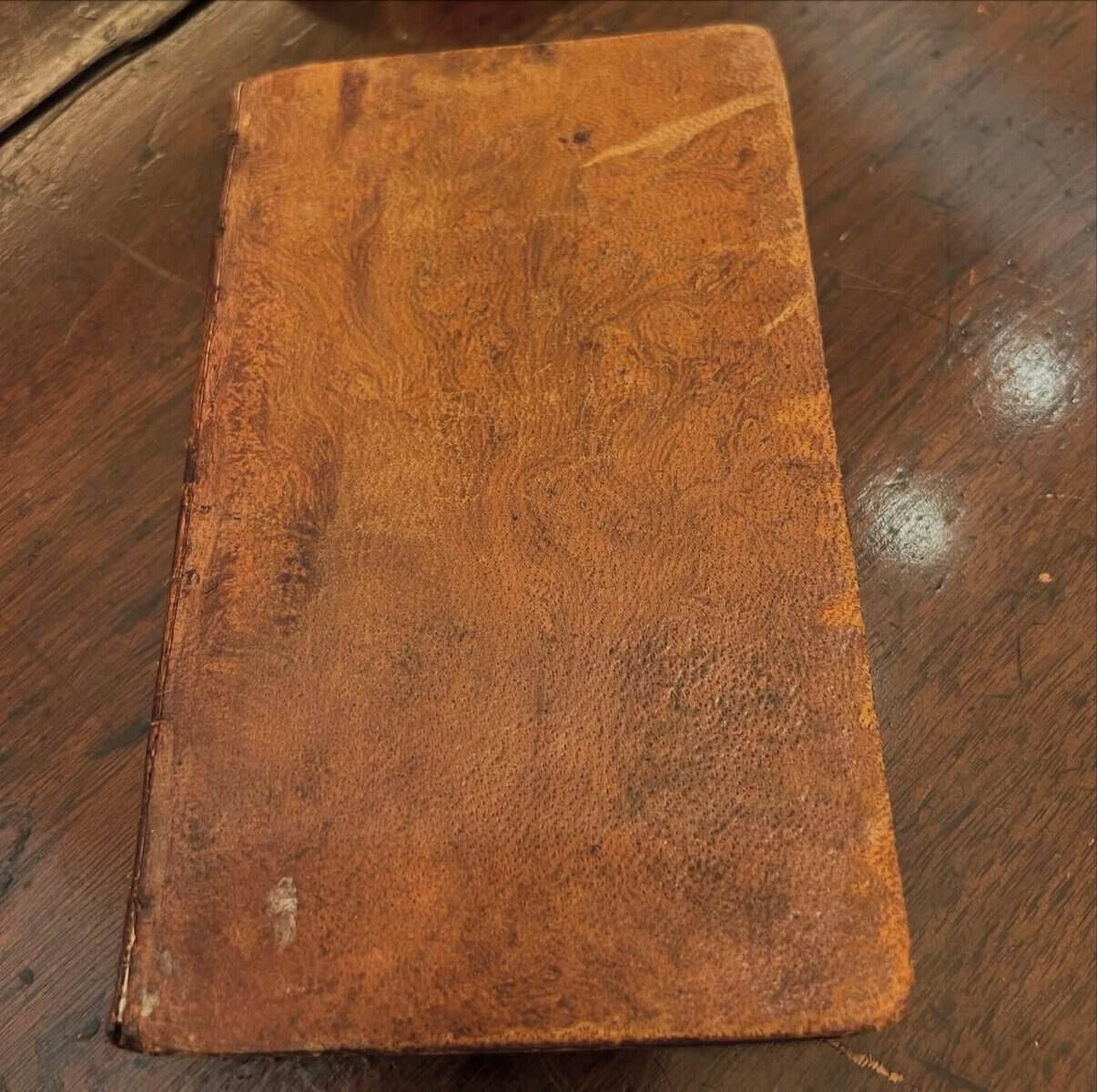
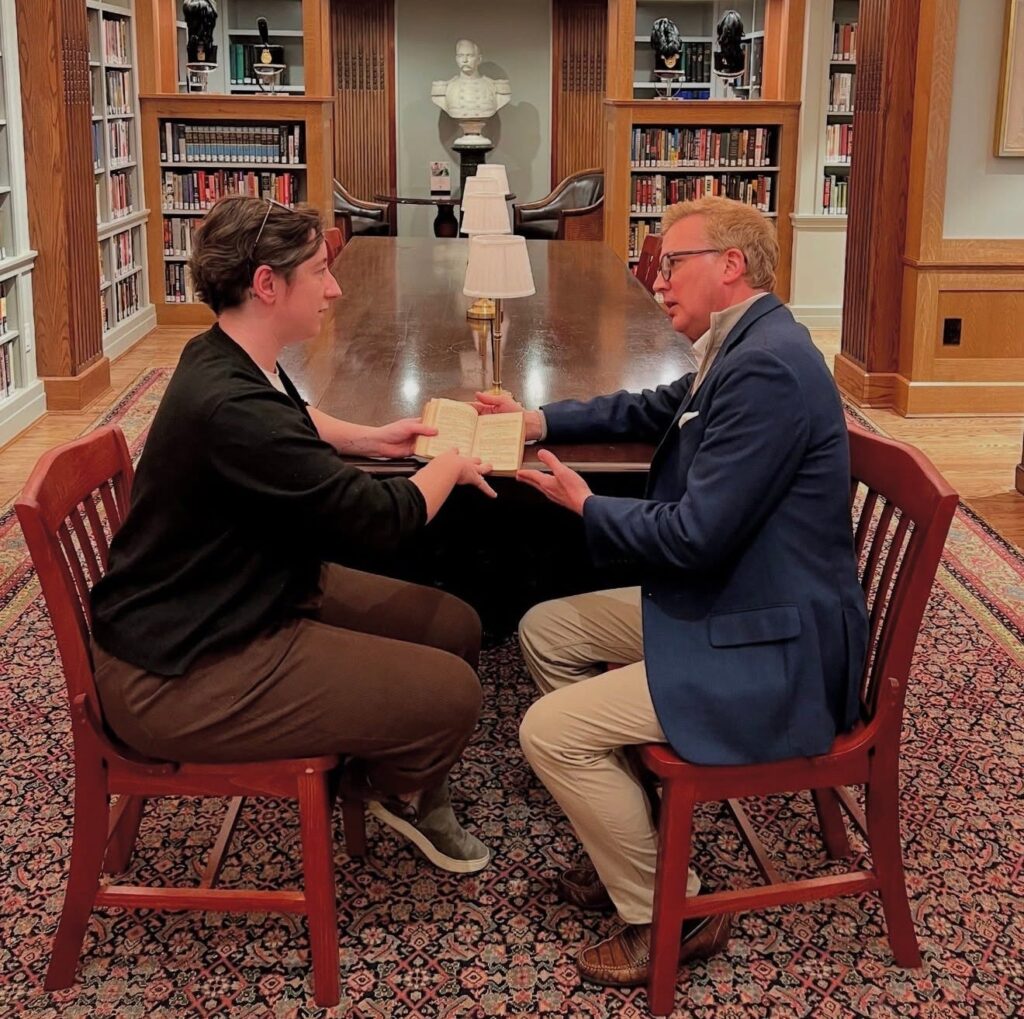
Katherine retrieved a small volume from a locked glass case and shared it across the library table.

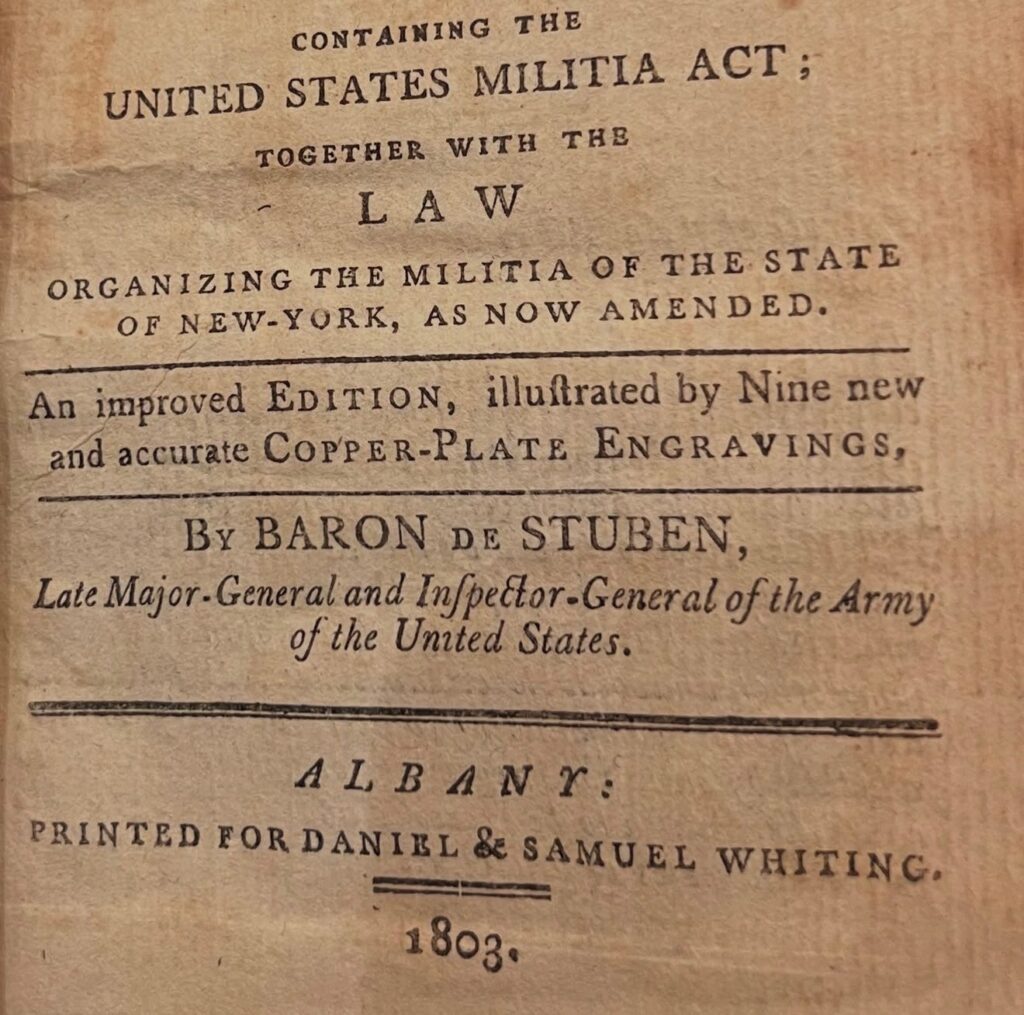
It was an 1803 edition of Steuben’s Regulations for the Order and Discipline of the Troops of the United States, which she identified as the club’s oldest and rarest book.
The brown covers were worn, pages aged, the title page clearly legible. Printed in Albany for Daniel and Samuel Whiting, it advertised nine copperplate engravings. Here was a book containing instructions that had helped American soldiers win independence.
How did a Prussian officer come to write America’s military handbook?
Born in Magdeburg in 1730, Steuben entered the Prussian army at 17 and served in the Seven Years’ War. He left the service as a captain in 1763 and later worked at a German prince’s court. By the mid-1770s, he was seeking another appointment and struggling with debts.

His search took him to France, where connections led him to Benjamin Franklin and fellow American representative Silas Deane. They could promise him neither rank nor pay. He initially balked, then accepted the gamble and crossed the Atlantic.
After meeting with Congress, he proceeded to Valley Forge in February 1778. He was 47, and looking to redeem his career.
Washington needed the help. Building a dependable army from units with different practices required unified training. Steuben improved its organization and instruction, helping make the Continental Army a more effective fighting force.
He also brought a personality that must have enlivened the camp.
Unable to speak English, he relied on translators and personally drilled the soldiers. When frustrated, he sometimes enlisted an aide to do his swearing in English. The men appreciated his willingness to work directly with them.
At Washington’s request, Steuben committed his system to paper. First published in 1779 with blue covers, his manual became known as the “Blue Book.”
It went through numerous editions and remained useful into the War of 1812. Katherine’s brown volume belonged to that continuing history.
His service also brought him to Virginia and the victorious Yorktown campaign, a connection that holds particular interest to me.
As America marks its 250th birthday, Steuben deserves a place in our commemorations. Soldiers had to learn their duties. Officers had to give understandable orders. An army had to practice until it could act together under fire. Independence required people willing and able to do that work.
For those of us who serve on museum and historical boards, this is a reminder why collections and curations matter. A visitor can read about the Revolution for years and still find something compelling about a book that helped win the war.
With Thanksgiving approaching, this gives me another reason to be grateful.
Steuben crossed an ocean seeking an opportunity. What he contributed helped give generations of Americans opportunities of their own. Looking at his statue after holding that book makes the debt feel personal.
At Thanksgiving, I’ll be grateful for Katherine’s kindness in sharing that book, and for the country Steuben helped secure. His statue reminded me of the worn pages of the military handbook and the massive effort it took to win our independence. That’s worth remembering when we bow our heads and count our blessings on Thursday.