


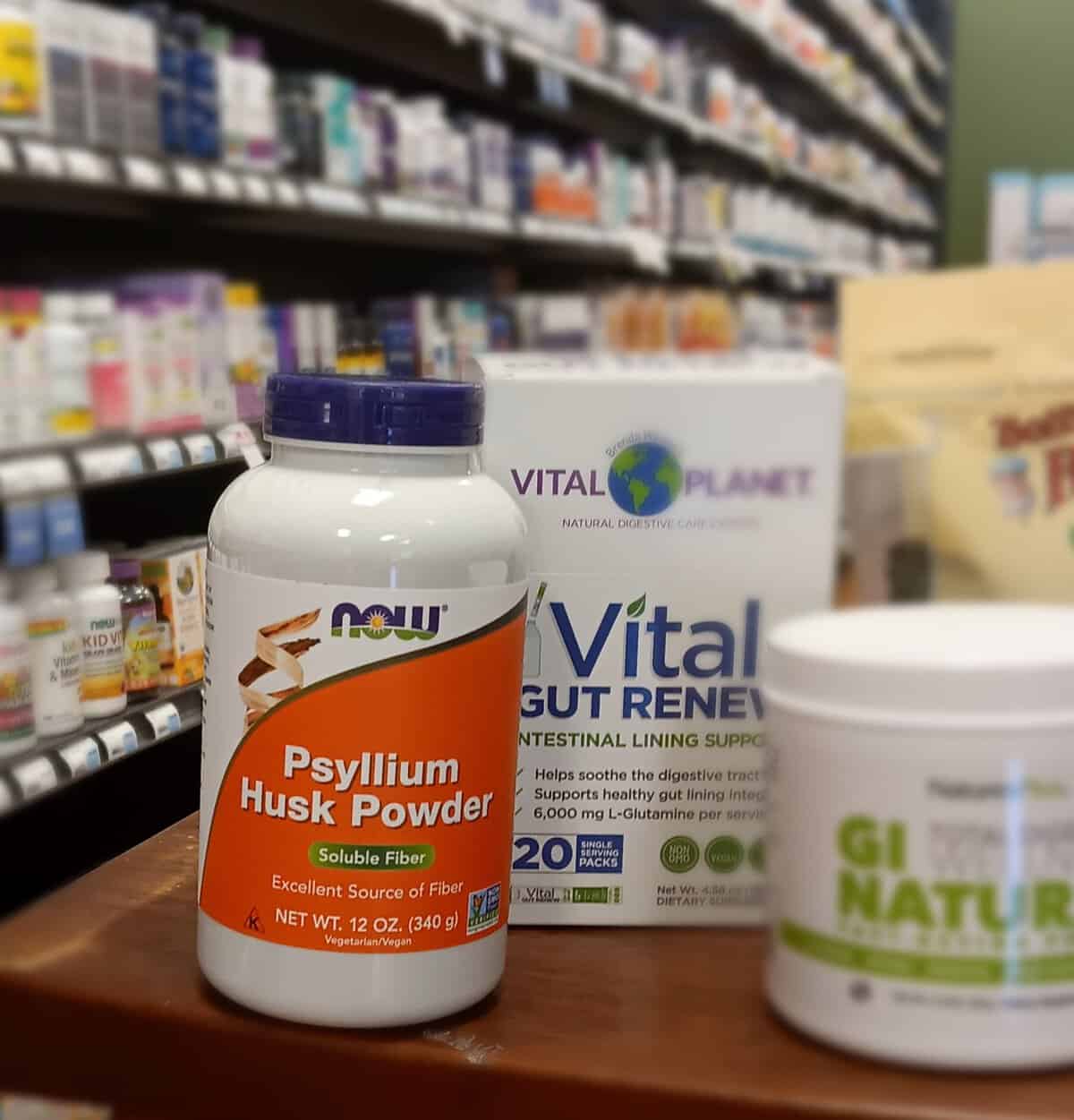

When it’s time for spring cleaning, most people think of their home and a comprehensive, seasonal deep clean to remove dirt and clutter, top to bottom. But, have you ever thought of an internal spring cleaning?
The older generation might remember being dosed with Castor Oil as a springtime purge. Today, other more palatable options are promoted, such as psyllium, or psyllium husk. The name may sound silly, but psyllium is seriously good for you.
How psyllium works
Psyllium is a soluble fiber derived from the husks of seeds from the Plantago ovata plant. It has long been used as a natural remedy for digestive issues, but modern research says its broader health benefits include improved gut health, enhanced immune function, better heart health, blood sugar regulation, and support for weight management.
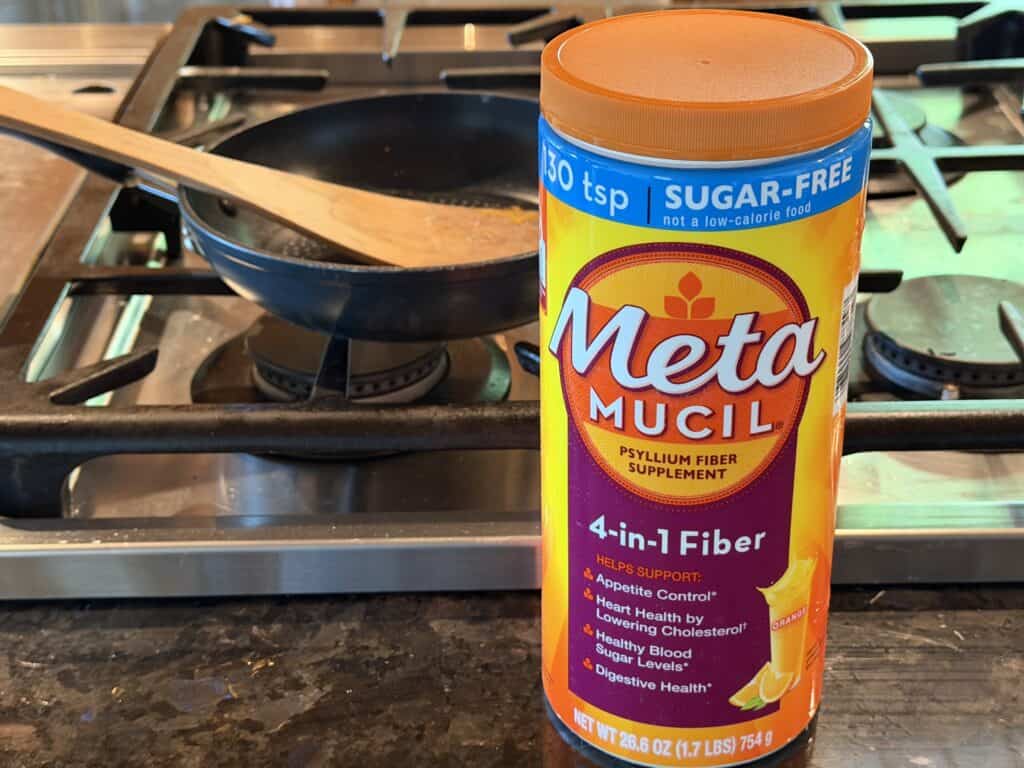
You may know this product as Metamucil, and other over the counter fiber remedies.

One of the most significant benefits of psyllium is its impact on digestive health. As a soluble fiber, psyllium absorbs water in the intestines and expands, forming a thick gel that helps move waste through the digestive tract. This makes it effective for relieving constipation, as it softens stool and promotes regular bowel movements.
Psyllium also helps manage diarrhea by absorbing excess water and adding bulk to stool, demonstrating its balancing effect on digestion.
Unlike harsh laxatives, psyllium works gently and supports the body’s natural processes, making it suitable for long-term use when taken as directed.
Beyond simple digestion, psyllium plays a crucial role in nurturing a healthy gut microbiome. It acts as a prebiotic fiber, meaning it serves as food for beneficial gut bacteria. These microbes ferment psyllium in the colon, producing short-chain fatty acids such as butyrate, which are essential for maintaining the integrity of the intestinal lining.

A healthy gut lining acts as a barrier that prevents harmful pathogens and toxins from entering the bloodstream. By supporting beneficial bacteria and strengthening this barrier, psyllium contributes to a well-functioning digestive system and reduces the risk of inflammation-related conditions such as Leaky Gut.
Gut health and your immune system
The connection between gut health and the immune system is increasingly recognized in the field of Immunology. A large portion of the body’s immune cells reside in the gut, meaning that a balanced microbiome is essential for proper immune responses. By promoting the growth of beneficial bacteria, psyllium indirectly supports immune function.
A healthier gut environment can enhance the body’s ability to defend against infections, regulate inflammation, and maintain overall immune balance. In this way, psyllium is not only a digestive aid but also a contributor to systemic health.
Weight loss?
Another key benefit of psyllium is its ability to help regulate blood sugar levels. When psyllium forms the gel in the digestive tract, it slows the absorption of carbohydrates. This leads to a more gradual rise in blood glucose levels after meals, which is especially beneficial for individuals with diabetes or insulin resistance. By preventing rapid spikes and crashes in blood sugar, psyllium can help improve overall metabolic control and may reduce the risk of developing Type-2 diabetes over time.

In addition to these metabolic benefits, as it absorbs water and expands in the stomach, psyllium promotes a feeling of fullness, or satiety. This can reduce overall calorie intake by helping individuals feel satisfied with smaller portions and decreasing the likelihood of overeating.
Furthermore, by stabilizing blood sugar levels, psyllium may help reduce cravings for sugary or high-calorie foods often triggered by fluctuations in glucose levels. Incorporating psyllium into meals or taking it before eating can therefore support healthier eating patterns and long-term weight control.
Not by itself
Dr. John R. Christopher and the School of Natural Healing approach psyllium not as a standalone cure, but as part of a broader system of natural healing focused on digestive health and whole-body balance. They say psyllium is valued primarily for its ability to support intestinal cleansing and regular elimination, which they consider essential for maintaining overall health.
Along with all the benefits mentioned, Dr. Christopher emphasized that since many health problems originate in the digestive system, restoring proper bowel function can have far-reaching effects on the body. Within this framework, improved gut health is closely linked to stronger immune function, as a well-maintained digestive tract supports the body’s natural defenses against illness.
However, the School of Natural Healing also stresses that psyllium should be used alongside proper nutrition, herbal support, and healthy lifestyle practices, rather than as a single solution. This holistic perspective highlights psyllium’s role as one component of a comprehensive approach to wellness that prioritizes prevention, balance, and the body’s innate ability to heal itself.
For from silly
It is important to note that psyllium should be consumed with adequate water to ensure it functions properly and to prevent discomfort. When introduced gradually into the diet, it is generally well tolerated and can be taken as a supplement to incorporated into a variety of foods, such as smoothies, cereals, and baked goods.
Allergic reactions are rare, but should you choose to add psyllium to your diet, start slow and small. The powder is noted as better than capsules, and it can be taken any time of day.
If you are on other medications, be sure to separate the timing by 1-2 hours. Your healthcare provider can advise you on the use of psyllium, according to your needs.
Spring is a traditional time to cleanse, and psyllium is a powerful and versatile dietary fiber with a wide range of health benefits. It supports digestive regularity, promotes a healthy gut microbiome, and strengthens the connection between gut health and the immune system. It also contributes to heart health by lowering cholesterol, regulate blood sugar levels, and aids in weight management by increasing satiety and reducing cravings.
These combined effects make psyllium a valuable addition to a balanced diet and a useful tool for improving overall health. It may sound like a silly name, but it’s seriously good for you.