


Seven years ago this week, I traveled to Israel.
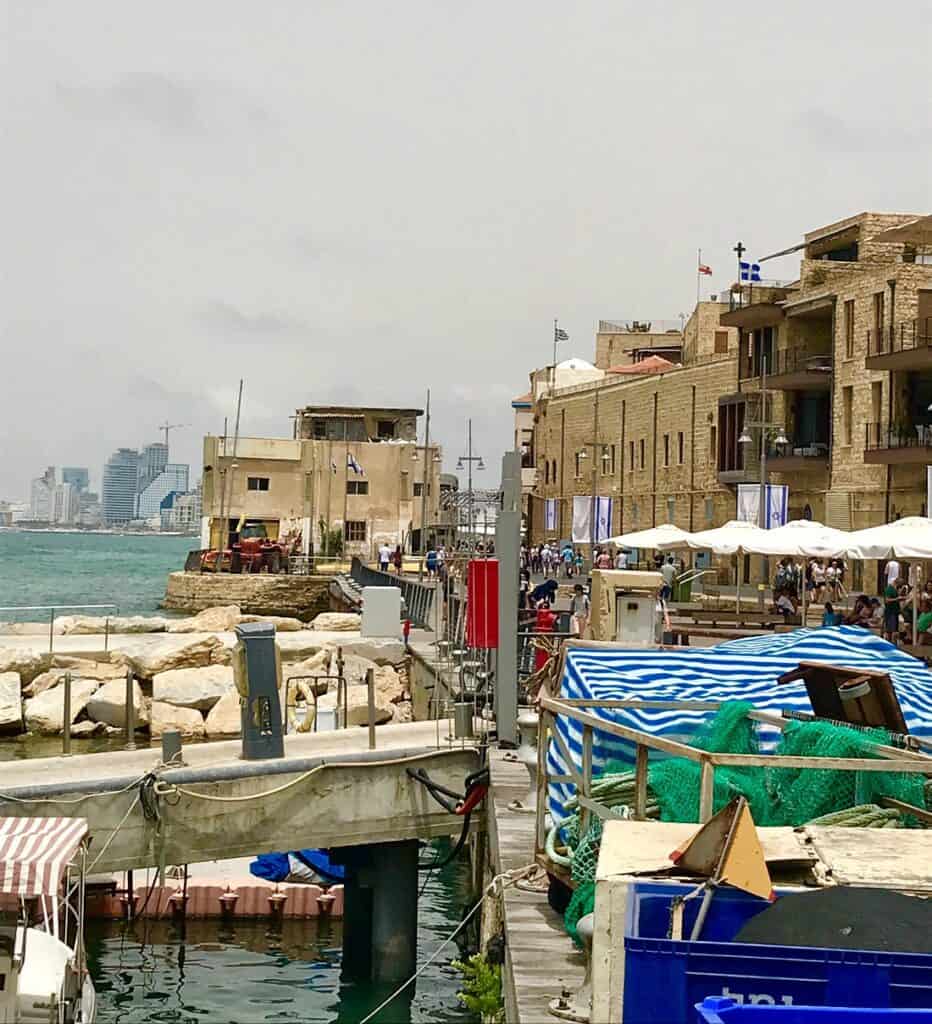
At the time, I thought I was taking the trip of a lifetime. Looking back, I realize I was carrying home something far more enduring.
I did not go as a biblical scholar. My knowledge of Scripture was, and still is, more limited than I would like.
I went because I felt compelled to go. It was an opportunity to see places I had only read about, and I trusted the people who organized the journey.

That simple decision became one of the most meaningful experiences of my life.
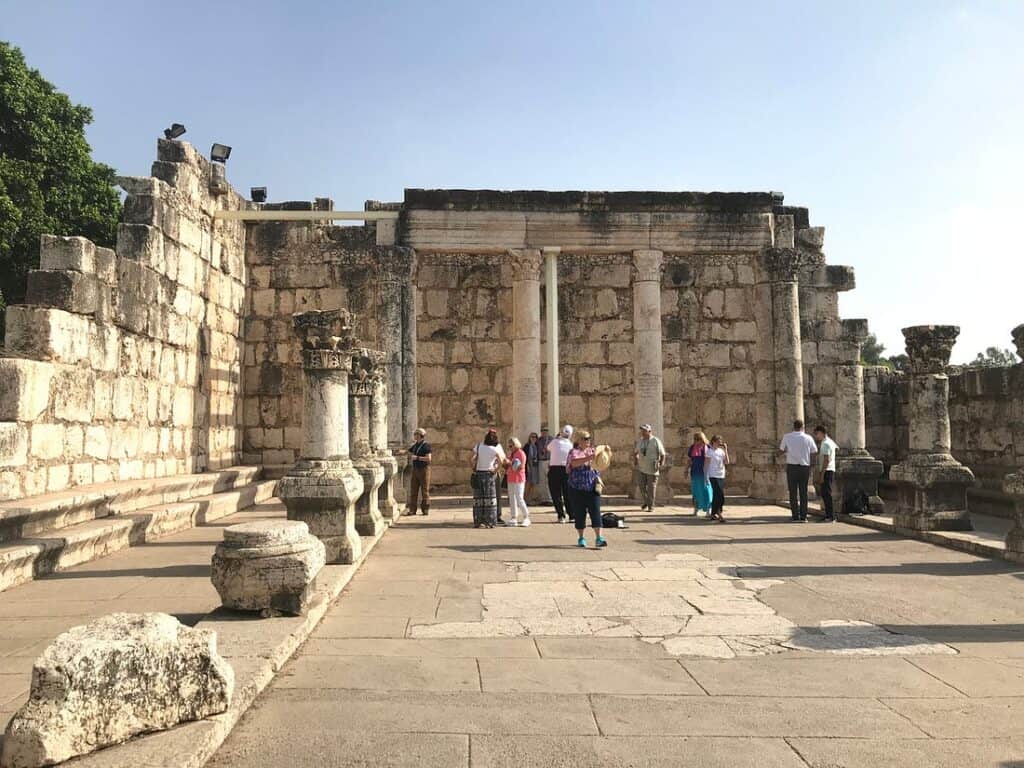
Like many Christians, I had spent years hearing the names. Jerusalem. Bethlehem. Jericho. Gethsemane. The Jordan River. The Sea of Galilee.
They were familiar, but they were also distant. They lived in sermons, Sunday school lessons, and the maps in the back of my Bible.
Then suddenly, they were real.

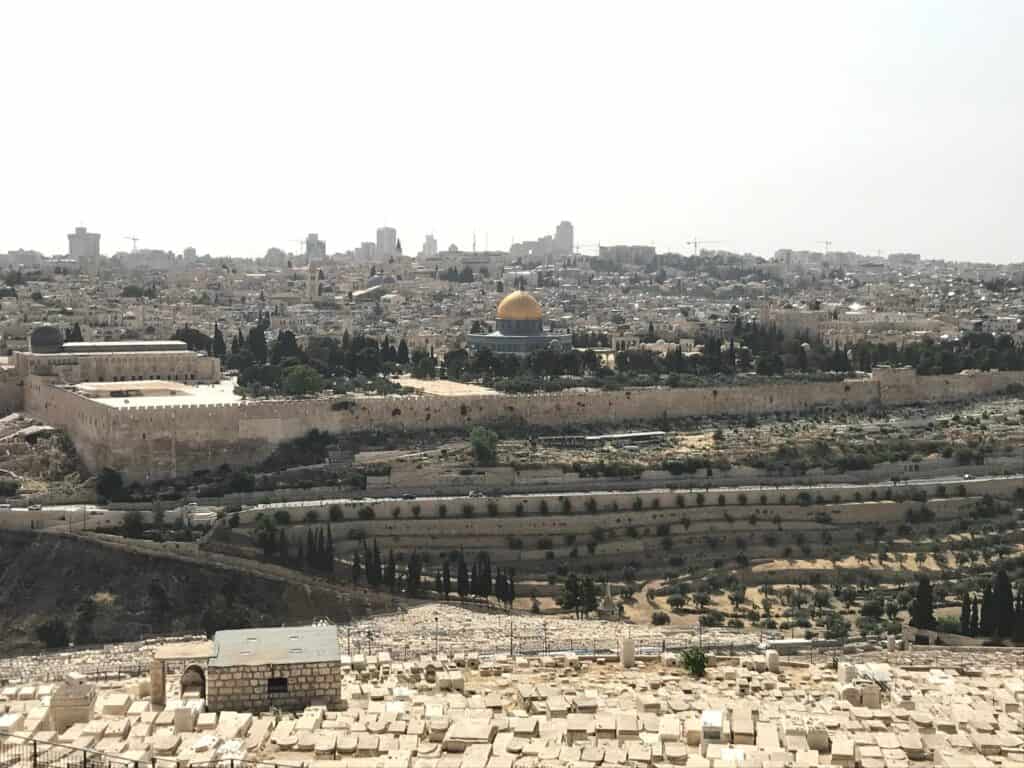
The desert around Masada was not an illustration but a landscape. The Sea of Galilee was not an idea but a body of water reflecting the evening sky. The walls of Jerusalem were not ancient sketches but stone beneath my feet.
The Bible came alive in technicolor.
One of the surprises of the journey had nothing to do with geography.
It was the people.
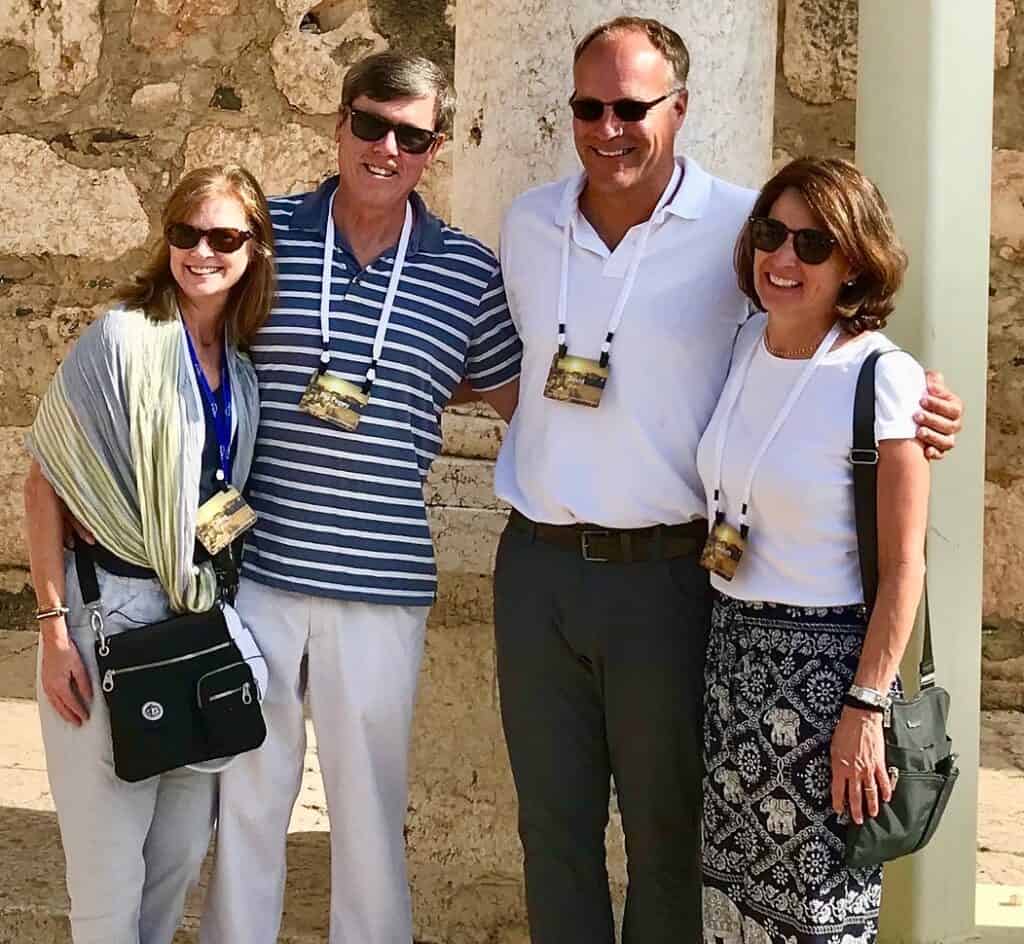
Shared experiences have a way of accelerating friendships, and this was unlike any trip I had ever taken. We walked together, learned together, laughed and cried together, and occasionally sat in silence together.
By the time we came home, we were more than fellow travelers. We had become a small community connected by memories that only we could fully understand.
Even now, when I look through the photographs, I think as much about those friendships as I do the places themselves.
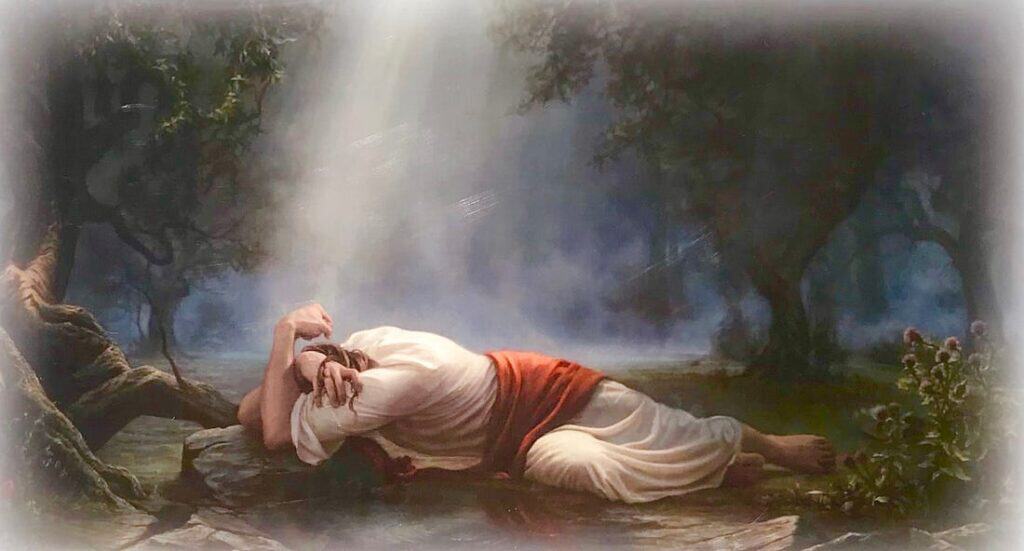
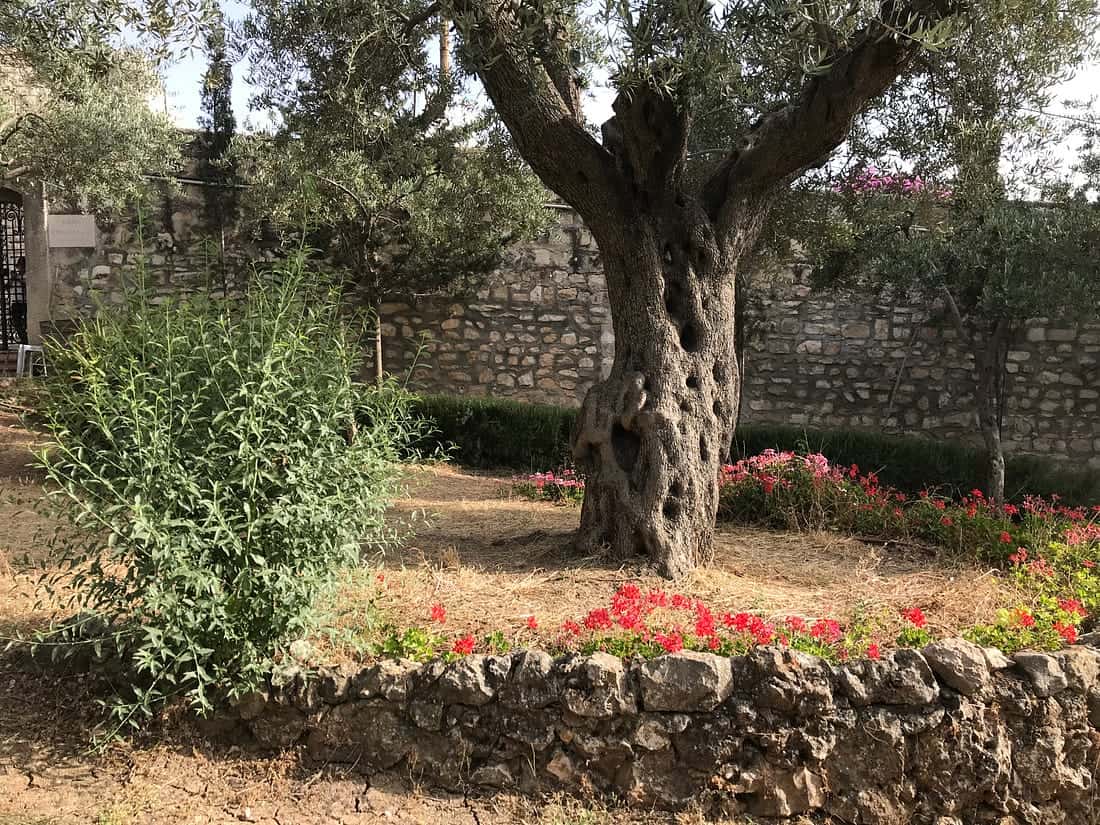
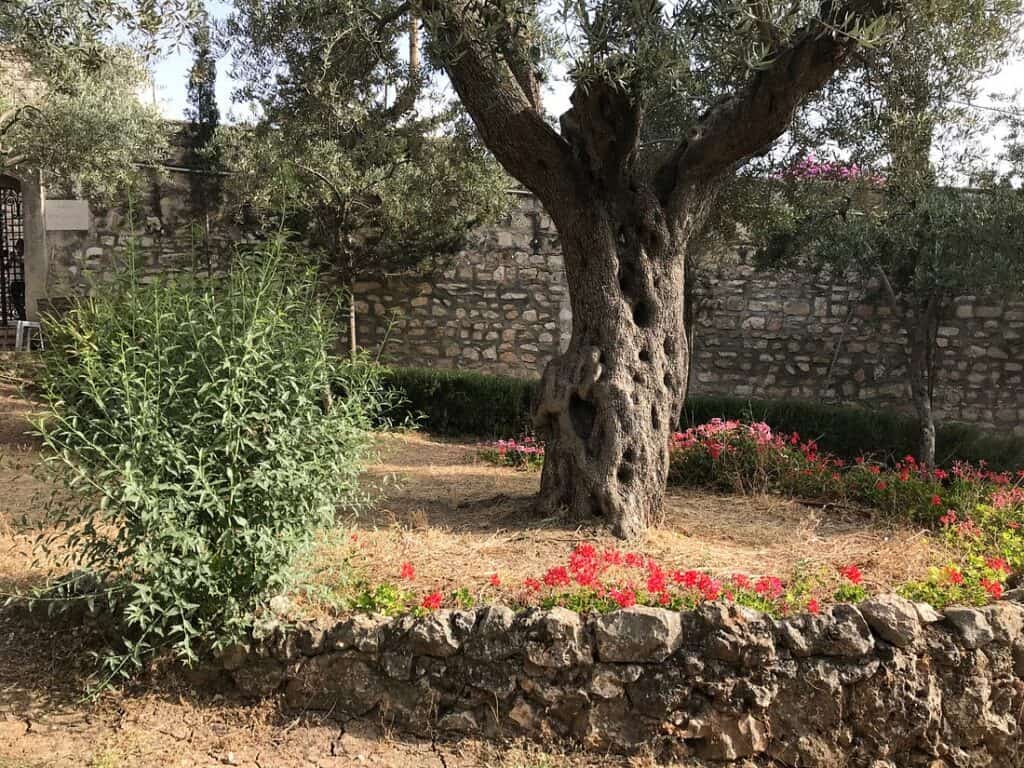
Of all the places we visited, the Garden of Gethsemane remains with me the most.
The desert was magnificent. Jerusalem was unforgettable. The Mediterranean coast at Caesarea was beautiful. Masada was breathtaking.
But Gethsemane was different.
It was quiet.
Standing among those ancient olive trees, I found myself thinking less about the crowds and miracles and more about solitude, sacrifice, and the burdens every person eventually carries.
It is one thing to read about Christ praying there. It is another to stand in that garden and let the moment settle over you.
That memory has never left me.
People occasionally ask what I prayed when I placed my hands on the Western Wall.
The honest answer is that I do not remember.
Seven years later, the words are gone. Perhaps I prayed for family, for wisdom, or for direction. I cannot say with certainty.
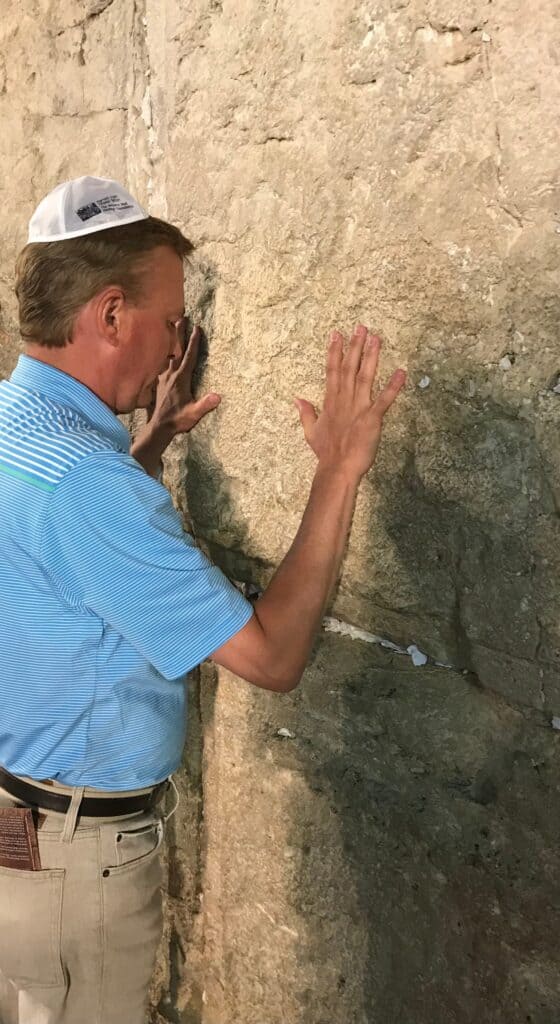
What I do remember is the feeling.
I remember touching those ancient stones and realizing that countless people, across countless generations, had stood in that same place carrying hopes, fears, gratitude, and grief.
For a few quiet moments, I simply became part of that story.
As someone who loves history, I have long believed that places matter. That is why I encourage people to visit Jamestown, Williamsburg, Yorktown, and the many sites where the American story unfolded.
Reading history is important, but walking where it happened changes your perspective.
Israel reinforced that belief.
It reminded me that Faith, like history, is rooted in real places inhabited by real people. The names that fill the pages of Scripture are not abstractions. They belong to landscapes that still exist and to a story that has shaped civilization for thousands of years.
When I returned home, I felt deeply connected to the people with whom I had shared the journey. I also found myself reading the Bible differently.
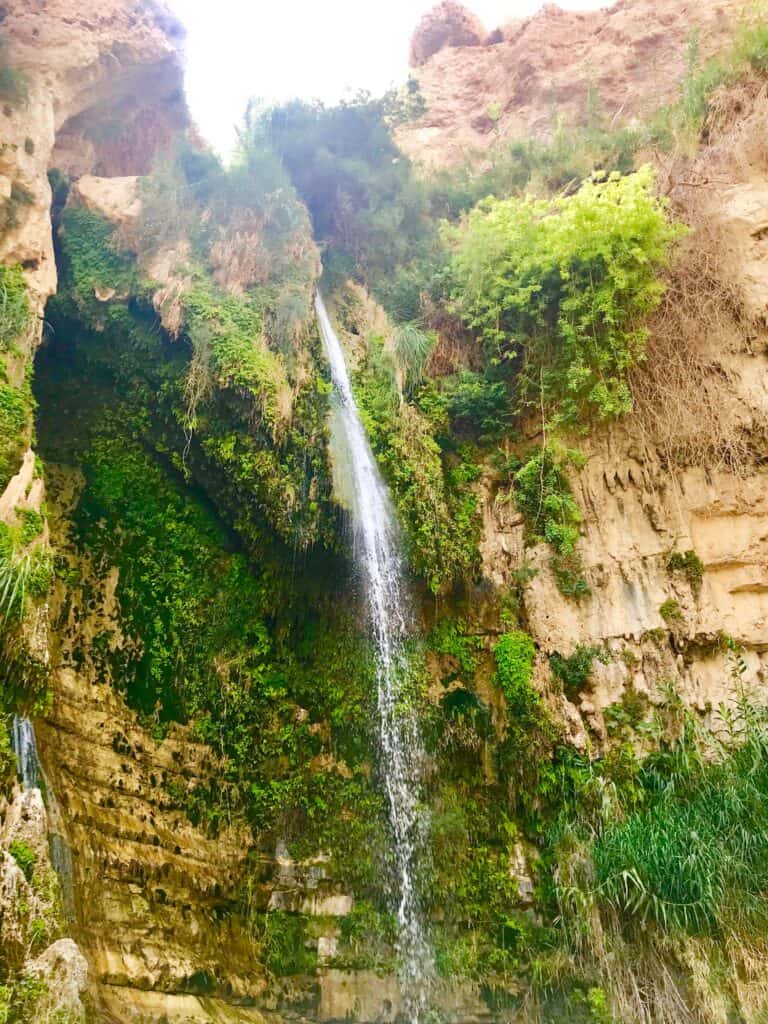
The words had not changed, but my understanding of them had. The places now had texture, color, and light.
They had become real.
I can still see the Western Wall.
I can still see the olive trees of Gethsemane.
I can still picture the waters of Galilee.
I can still feel the desert heat.
And I remain grateful that, for several days, I was able to walk through a story I had spent a lifetime reading.