




Why is there all the recent interest in bees when they have been around for millions of years?
The concept of harvesting what bees produce isn’t new. But, as more people learn they can “farm” a tasty, sustainable and healthy food, among other useful products, at affordable prices, beekeeping grows in popularity.
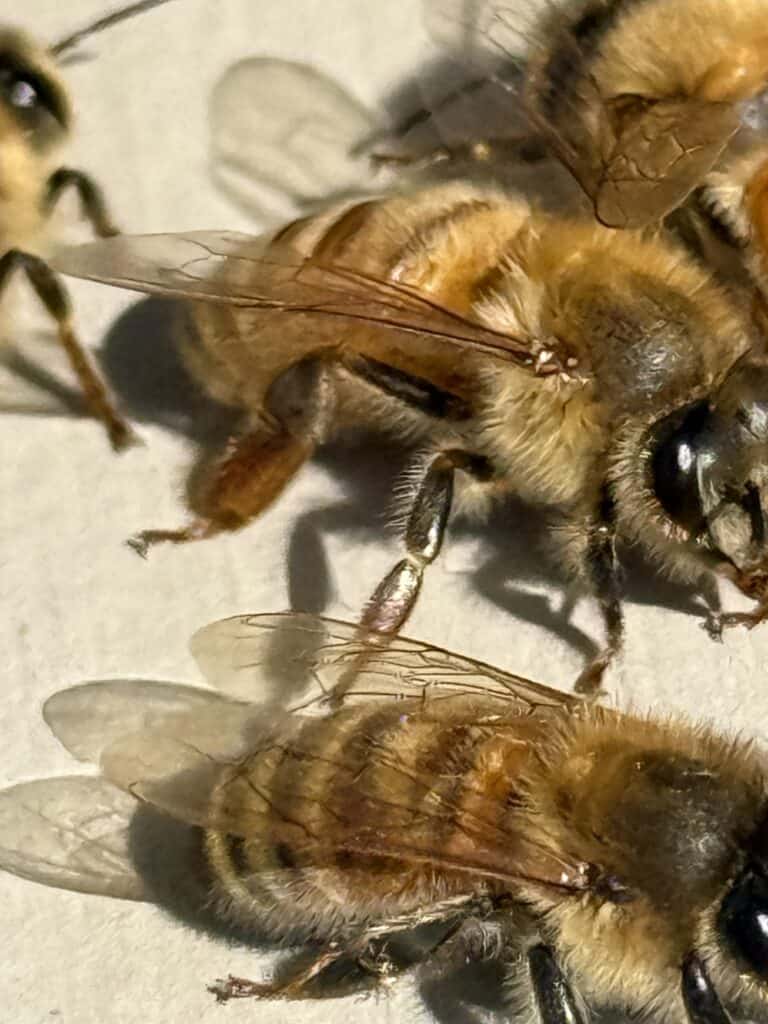
Beeswax is used for cosmetics and pharmaceuticals. Royal jelly is used as an antioxidant.
History of Beekeeping
Fossil evidence for bees date from the Cretaceous Period 30 to 40 million years ago. Beekeeping has ancient roots, as seen 10,000 year old Spanish cave paintings to Egyptian hive depictions.
Modern beekeeping began with the development of the Langstroth hive in the 1800s. Use of this hive created the concept of bee space, which allows bees to move freely within the hive. This hive type allows for inspection without destruction, making managing a hive easier.

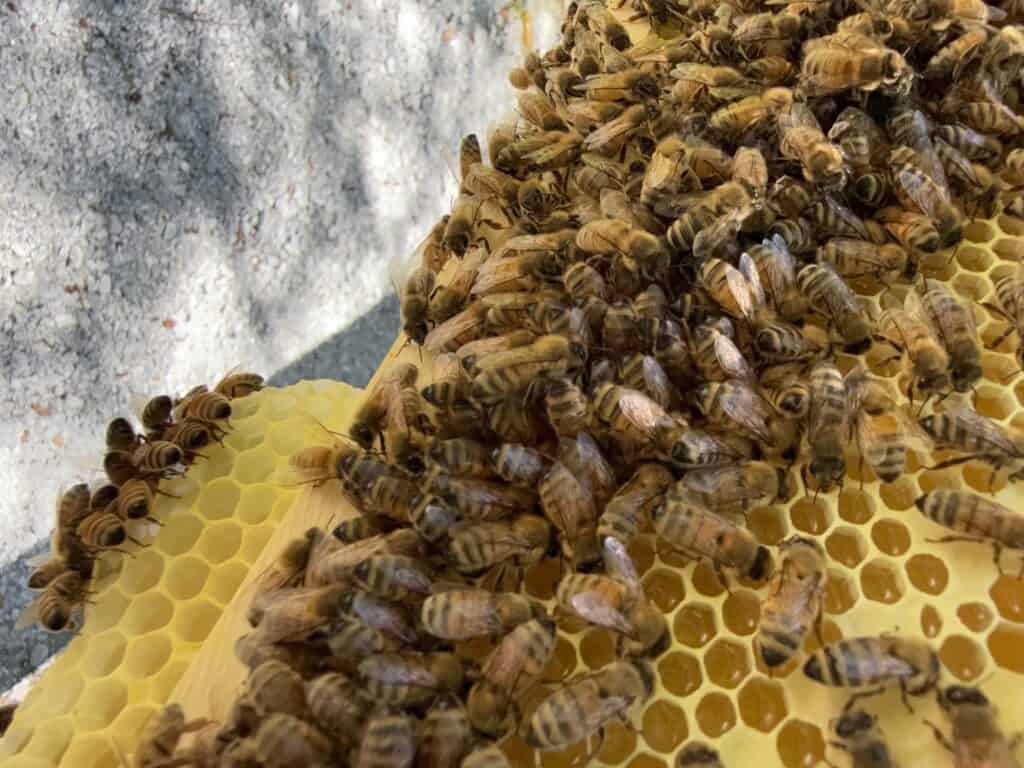
A typical hive has 50,000 to 60,000 bees, made up mostly of workers (females), about 250 drones (males), and one queen. Workers live only six weeks during the summer but longer in the winter. Worker bees have distinct jobs which progress from nursery duties through to construction, mortuary work, and foraging.
Foraging is energy intensive, as a bee visits more than 2,600 flowers in the last two weeks of her life, producing one-twelfth of a teaspoon of honey.
Notably, bees produce wax which helps them build honeycomb in the hive. Wax production is eight times more energy intensive than honey gathering on a pound-by-pound comparison.
Annual Colony Cycle
Bees, and therefore beekeepers, follow a year-long cycle driven by the seasons. The bees follow a seasonal sequence of spring hive build-up, summer reproduction and swarming, fall resource collection, and winter preparing for clustering.

In WNC, there are two nectar flows (e.g., Tulip Poplar, Sourwood) and beekeeper tasks such as supering, extracting, feeding, and mite treatments work in tandem with the seasonal activities of the bees. While the apiarist might follow the Julian calendar, the bees follow the seasons as per changes in light, weather, and plant growth.
Products of the Hive
Honey is not the only product that comes from the hive.
Beeswax is used for cosmetics and pharmaceuticals. Royal jelly is used as an antioxidant.
Propolis, a combination of pine-tar and bee secretions, has 500 plus compounds identified for medicinal uses. Even bee venom has anti inflammatory characteristics, with research currently focused on treatments for asthma and Parkinson’s disease.
Why Beekeeping Matters
Honey provides natural sweeteners and allergens, but bees’ real value is pollination.
They travel up to five miles from the hive and prefer consistent nectar sources. Bees pollinate 75% of fruits, nuts, and vegetables in the United States, contributing $20 – $30 billion to the economy annually.
One out of every three bites of food we take is courtesy of bee pollination. Pollination from bees contribute an estimated $154 million in total crop support for the NC agriculture industry.
Interested in Becoming a Beekeeper?
Key considerations include local zoning, allergies, hive placement, equipment, and choosing between nucs, which are small starter hives, or packages. Types of beekeepers range from hobbyists to commercial operators.
The core responsibilities follow four main points:
- Keep bees dry and warm – prevents diseases
- Give them space – prevents swarming
- Feed when needed – prevents starvation
- Control pests – prevents early death and disfigurement
How to Help Pollinators
What can you do to help the pollinators survive?
Several simple ideas range from buying local honey, which supports the beekeepers’ efforts, to planting a native pollinator garden. If you use pesticides, spray in the evening when bees are not out.
Lastly, join your local beekeeping club and learn how to become a beekeeper.
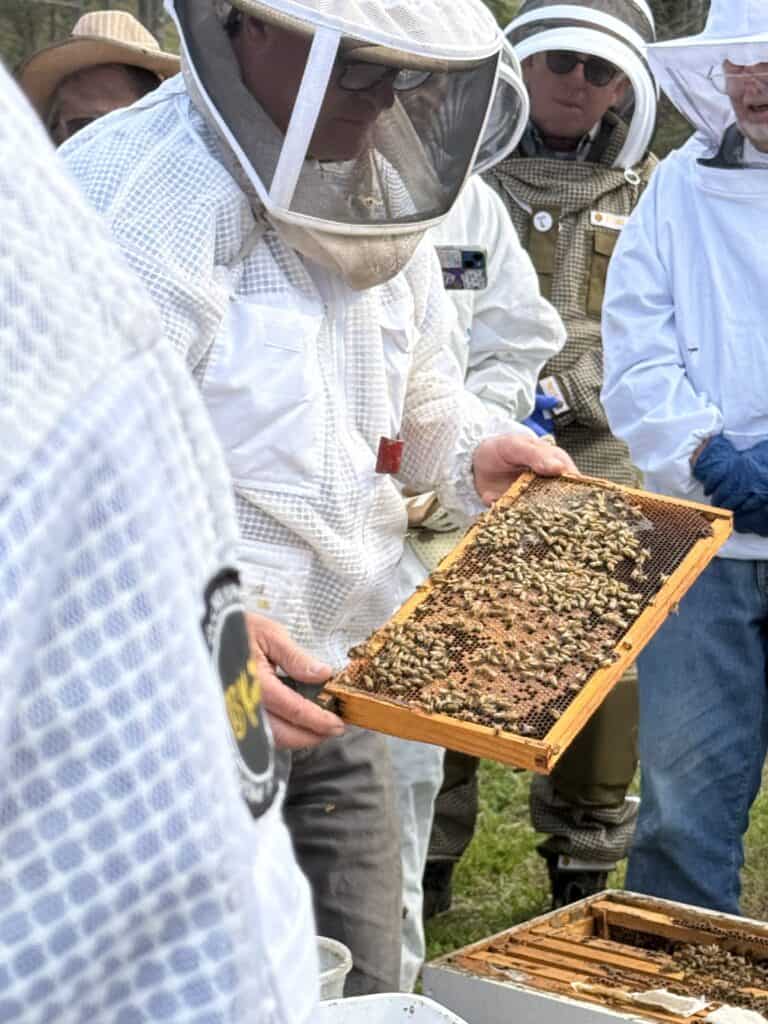
Macon County Beekeepers hold an introductory three-day course in mid-February each year, with the last day in a local apiary for a hands-on experience. We also hold monthly meetings on the first Thursday of each month in Franklin at the County Extension Office.
Check out our website at Maconncbeekeepers.com for more information.