


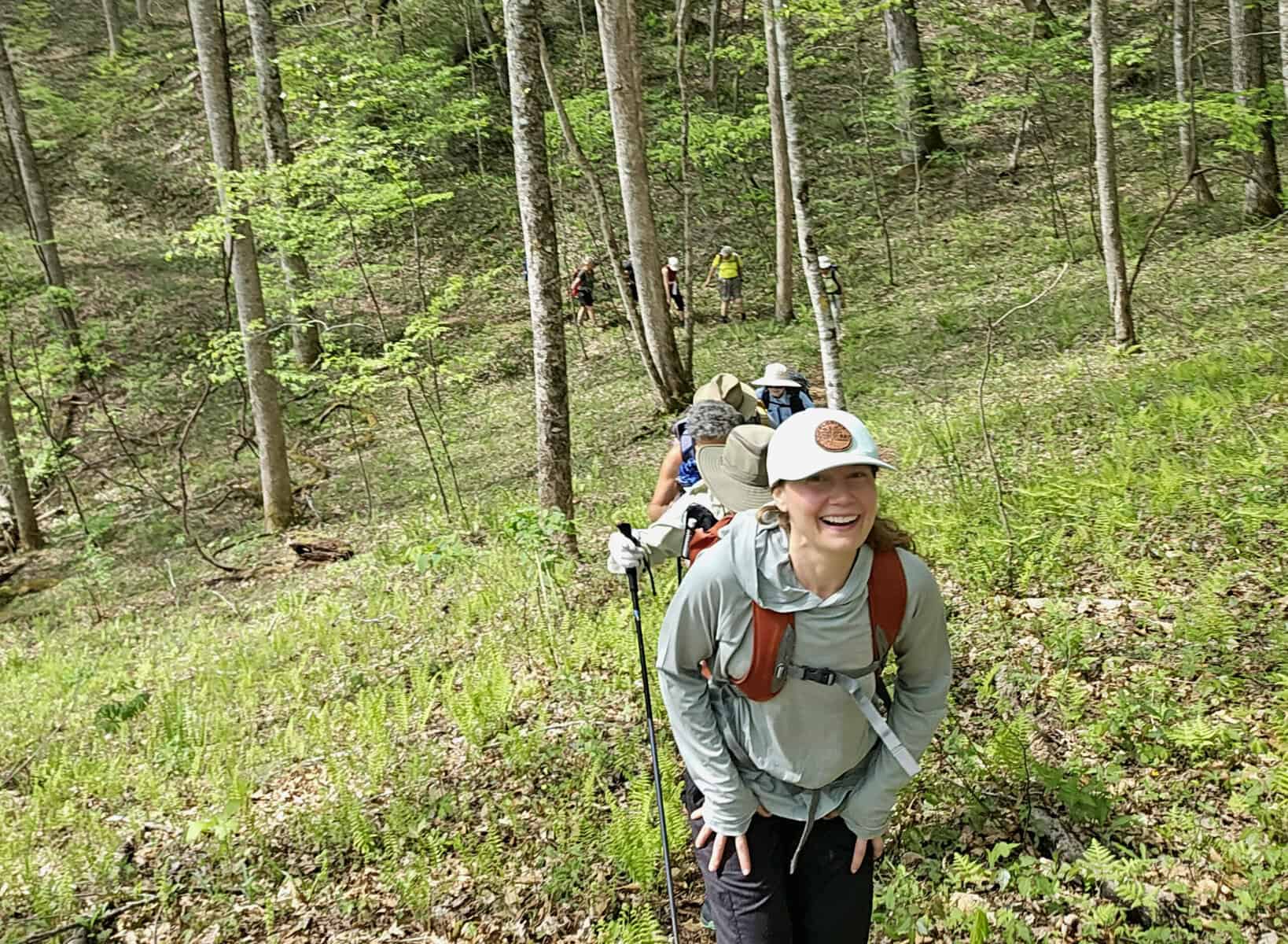

March 29 marked a leadership transition for the Blue Ridge Bartram Trail Conservancy (BRBTC) as longtime director Brent Martin retired and Dr. Raechel Littman stepped in as executive director.
Littman recently returned to the Southern Appalachians after some time away. Drawn to the region, part of one of the oldest mountain ranges in the world, for its richness and biodiversity, Littman was struck by the landscapes, and the sense of community here. “I found a community of explorers, adventurers, gardeners, artists, and writers, all the things I enjoy the most.”
For Littman, her new role aligns closely with her long-standing connection to environmental work. “I can’t recall a time in my life when I didn’t care deeply about conservation.”
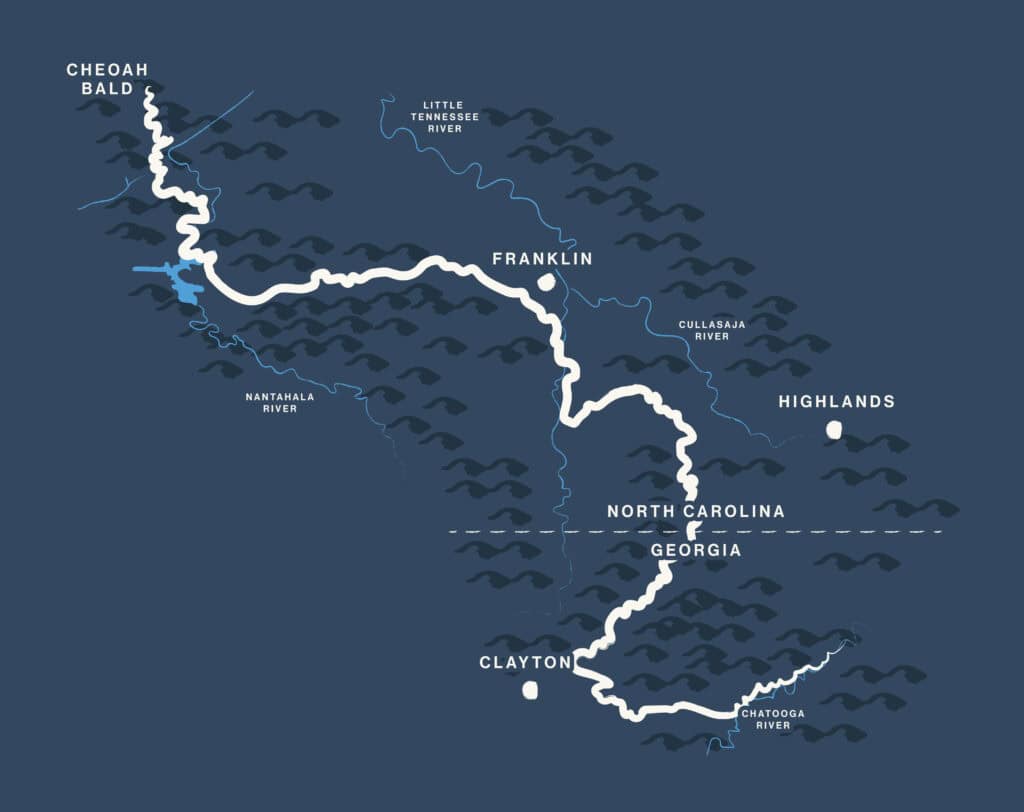
She brings an interdisciplinary background that spans biology, environmental policy, veterinary sciences, art, and writing. That range of experience aligns with the demands of leading a nonprofit organization caring for more than 100 miles of trail from Georgia to North Carolina.

“There are so many moving parts to working at a nonprofit, which satisfies my insatiable curiosity,” she said, describing herself as “a jack of all trades.”
Priorities and programs
Littman’s top priority is to grow the BRBTC as a model for community participation and educational outreach.
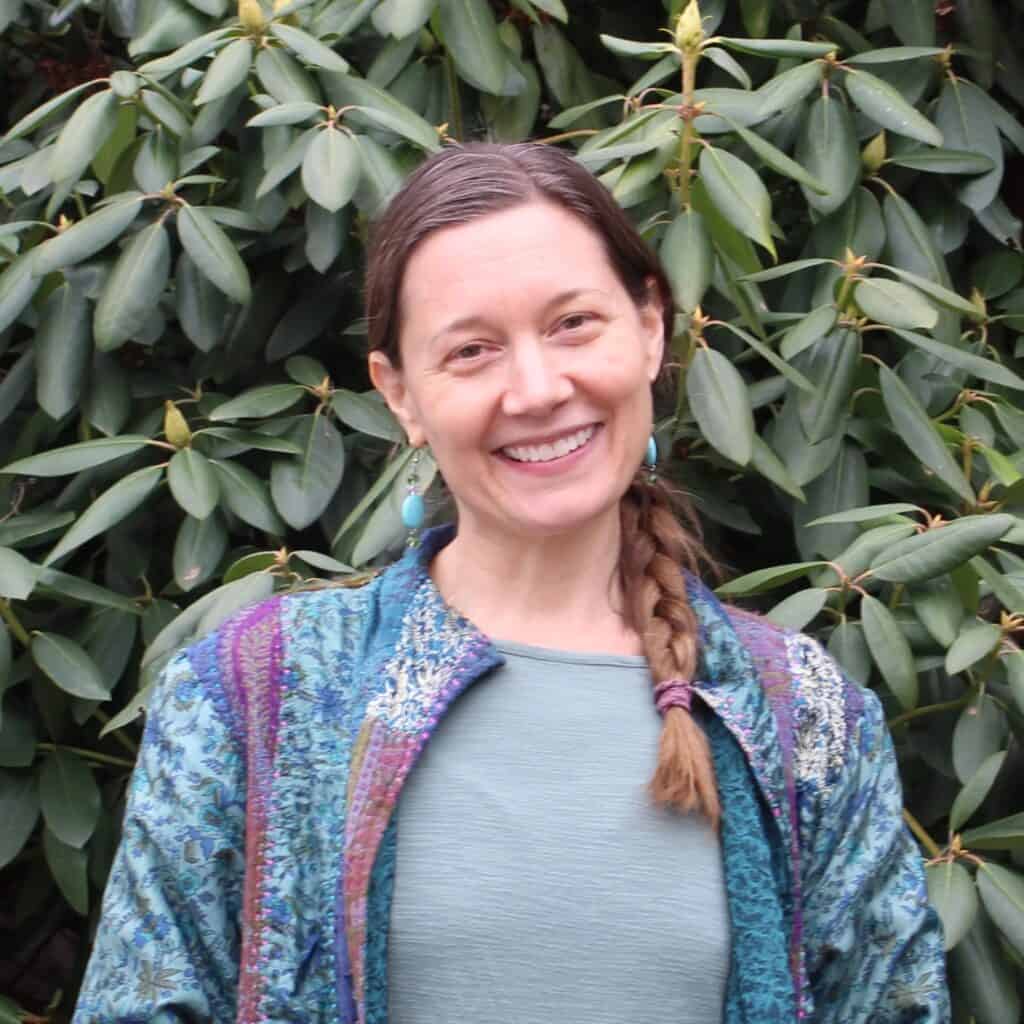
She is a good fit for conservancy’s mission of bringing people and nature together. Her most recent background in this work includes a stint as the executive director of the Florida Bay Forever.
She noted that regular programming can support local economies by creating job opportunities and encouraging more responsible visitor behavior. The organization also aims to serve as a collaborative hub for education.

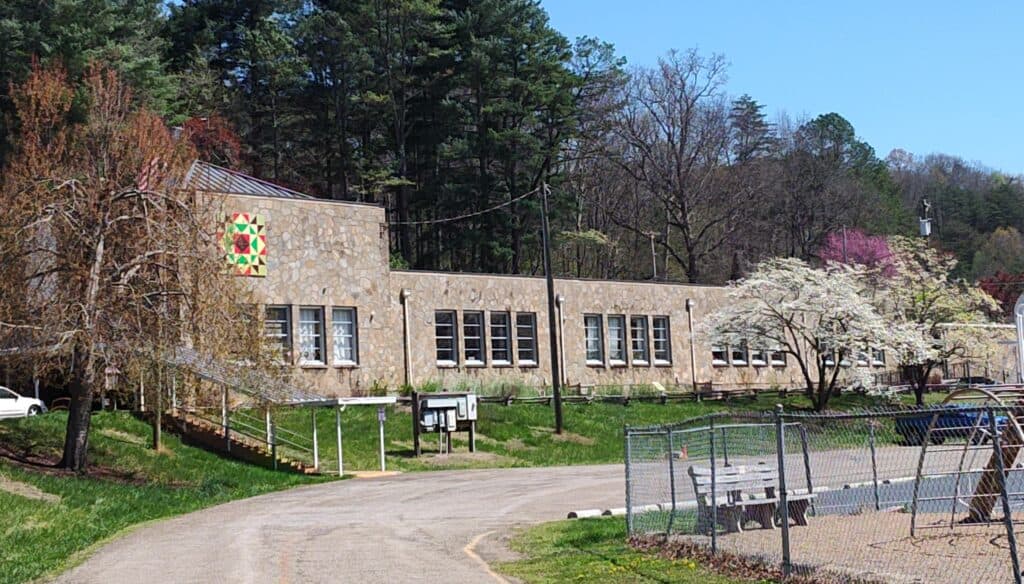
Operating out of the Cowee Arts and Heritage Center, the conservancy integrates art, culture and science to engage communities along the Bartram Trail.
“[The trail] provides the cultural context and an outdoor classroom while Cowee Arts and Heritage Center provides an immersive, creative environment for art education,” Littman said.
Compared with other trails in the region, the Bartram Trail attracts interest not only for recreation but also for its historical legacy, Cherokee culture and the arts.
“Our organization promotes connection that not only serves the community’s health, economy, and fun, it bonds them to the land itself, thus promoting local stewardship beyond the responsibilities of federal governance,” Littman said.
She emphasized the importance of expanding outreach to underserved communities. The organization seeks to engage people who may not traditionally see themselves on hiking trails, as well as seasonal visitors who may not typically connect with the places they visit. The BRBTC plans to expand trail stewardship efforts alongside community events, guided hikes and youth programming to increase accessibility to outdoor recreation and conservation.
A key initiative is the launch of the Naturalist Stewardship Program. The program will include educational events held one to three times a month, weekly volunteer workdays focused on trail maintenance and enhancement, and environmental education programs offered through Cowee for both adults and children.
Challenges and perspectives
One of the primary challenges facing the organization is declining federal support for public lands. “Only a few individuals from the U.S. Forest Service are expected to manage the grand expanse of trails along the Blue Ridge Mountains, including the Bartram Trail,” Littman shared.
“As governmental support for public lands may be diminishing, it is up to our community members to build structure in its place,” she added. Structure should “promote belonging, provide voice to its members, and be healthier and available for future generations.”
The new executive director also shared her advice for people who wish to make the world better through conservation and education. She emphasized that many environmental conversations are framed in terms of blame, which can be counterproductive. “Once we start to show consideration and kindness towards ourselves and one another, I think we will also learn to care for our environment better,” Littman said.
That perspective was shaped in part by Littman’s experience speaking publicly about environmental issues. Recalling a lecture she gave at the Discovery Museum in the Florida Keys about the Everglades restoration effort, Littman said she tried to explain how poor land-use practices disrupt the microbial systems that naturally process pollution and waste, contributing to ecological decline.
“What I got in response was pure anger,” she said. “In the audience were some of the wealthiest and perhaps most powerful people in the world and what they responded with was hopelessness and powerlessness.” The experience ultimately changed the way she viewed conservation work and community engagement. “Your voice matters. You matter too,” Littman said. “I now know the power of each person doing the thing they are called to do. And when you add it all up, that is where the change happens.”
“The essential ingredient in conservation and education is compassion,” she added.